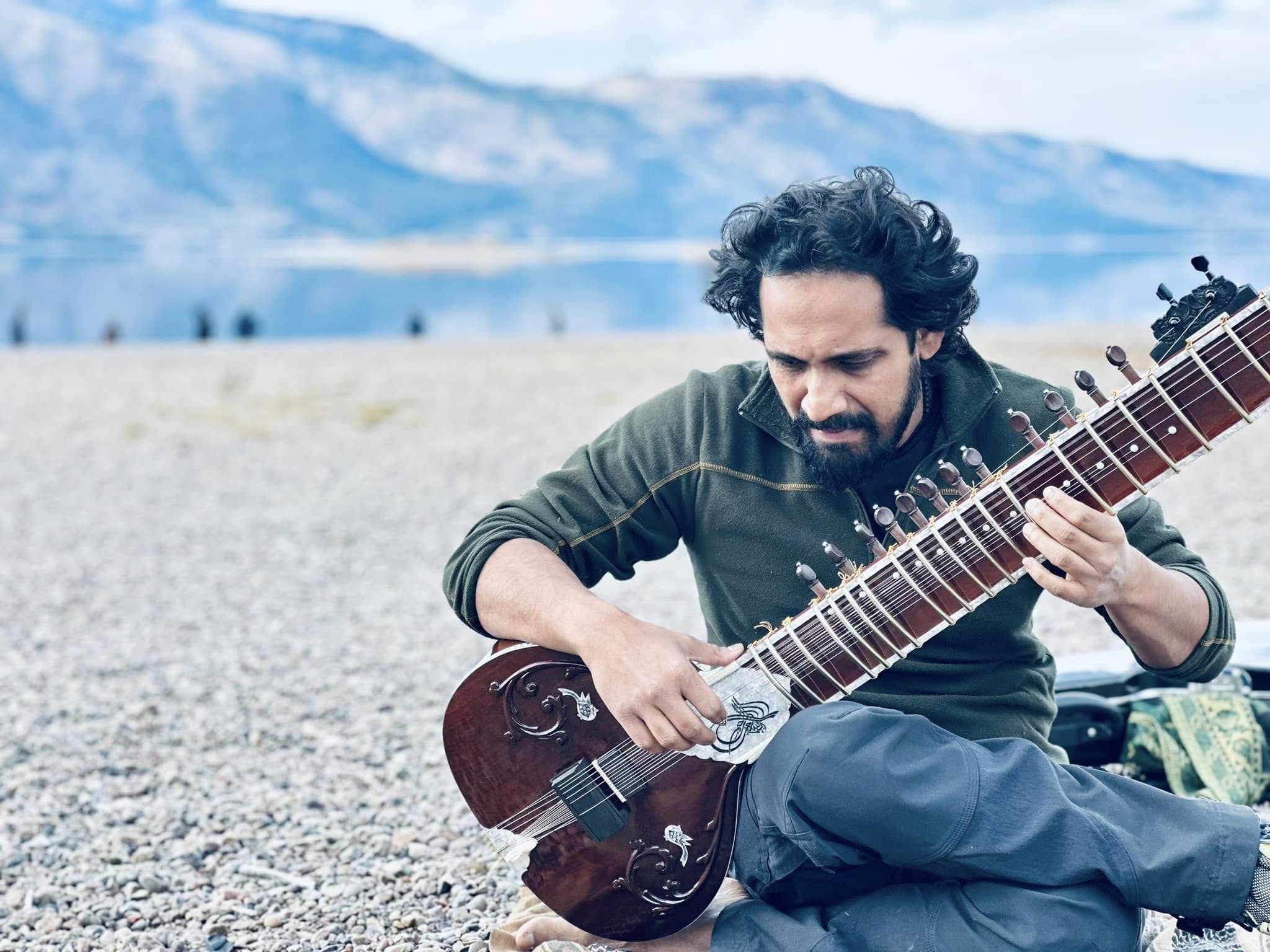
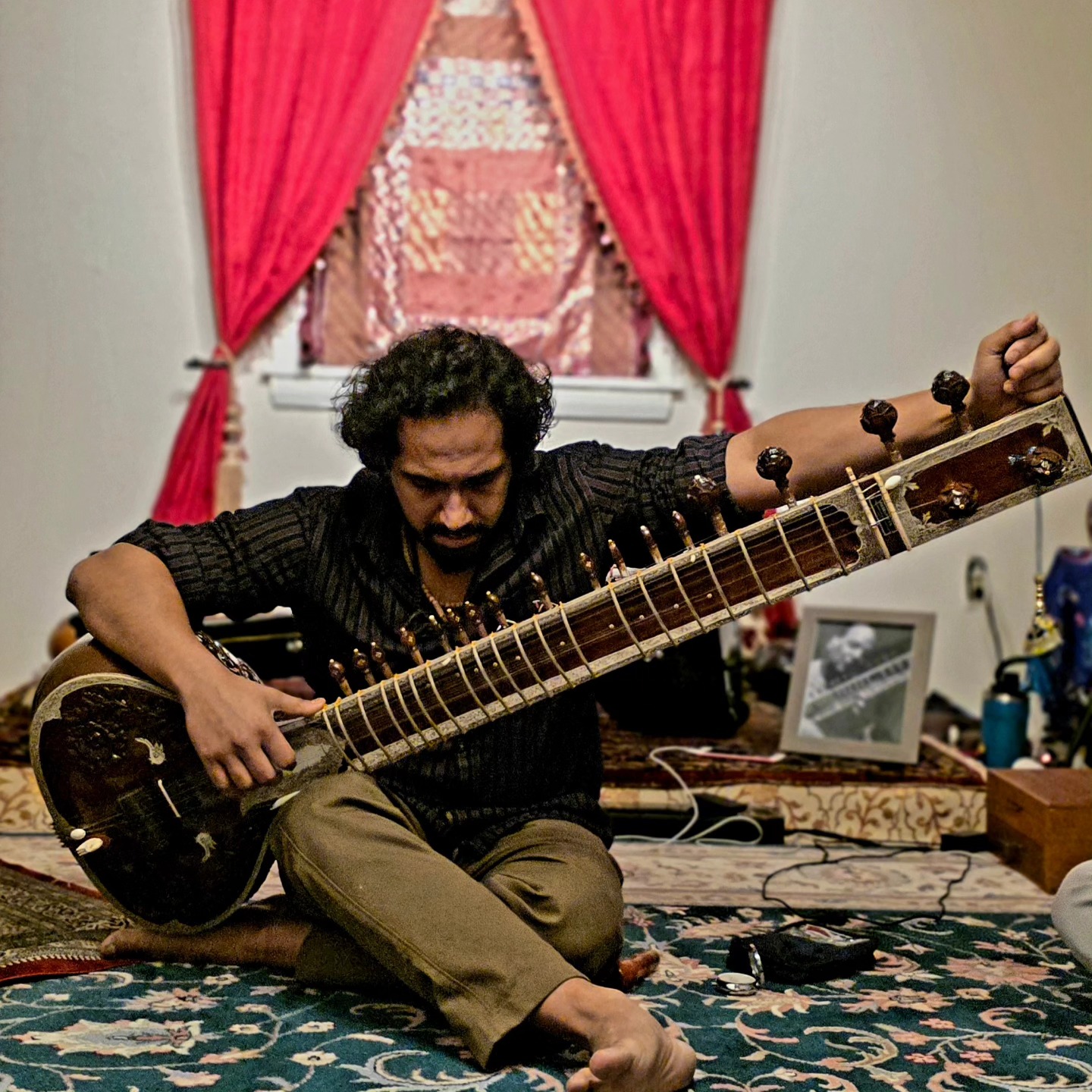
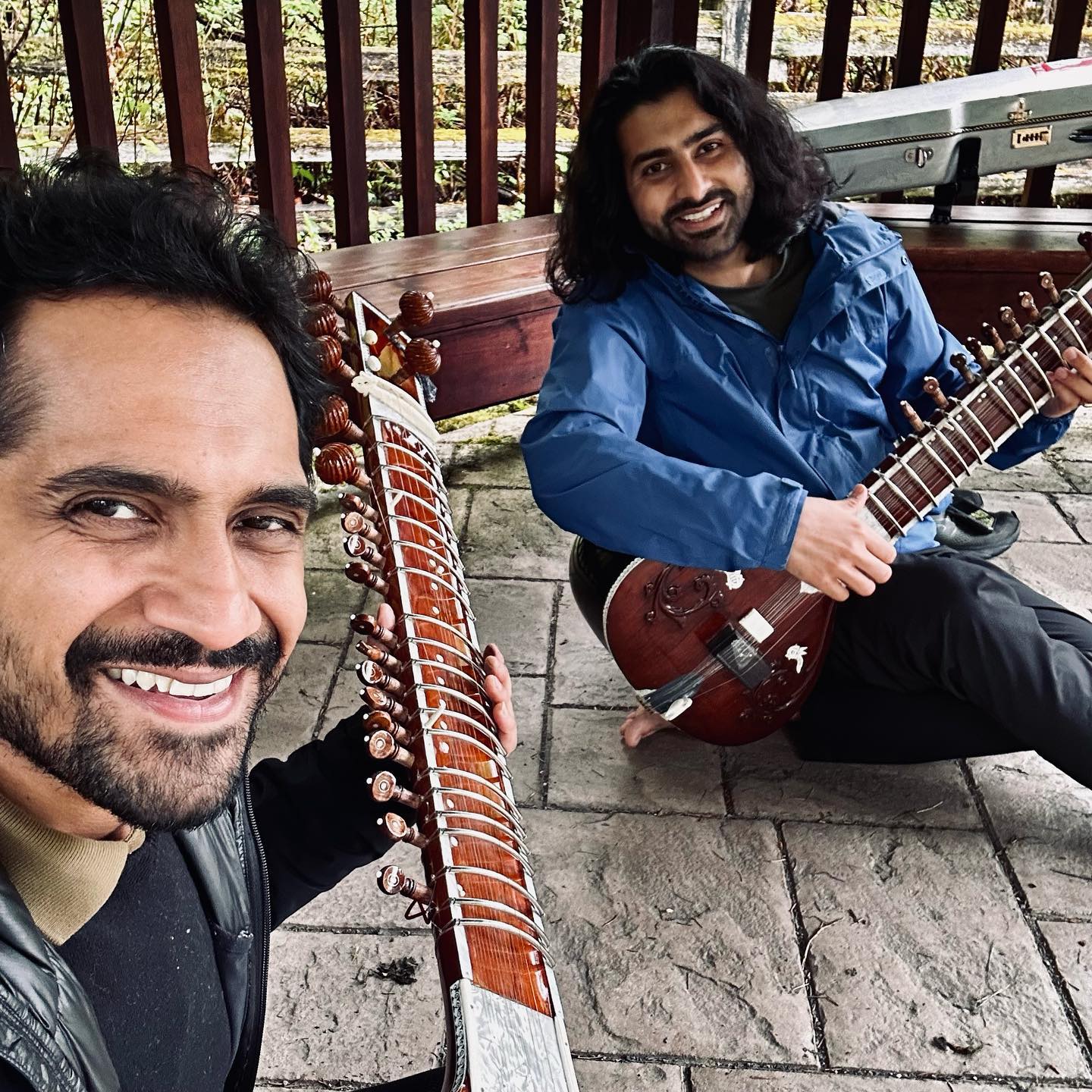
Instruction · Restoration · Craftsmanship
serving enthusiasts, beginners, and advanced students in New England
Lessons · Jawari & Maintenance · Concert-Grade Sitars · Westford, MA
Sitar playing is experiencing a quiet renaissance across New England. From Boston to Providence, from Hartford to Portsmouth, more people than ever are discovering the depth and beauty of this ancient instrument. In studios and living rooms, in university music departments and community centers, the sitar is finding new voices — curious, dedicated, hungry for knowledge.
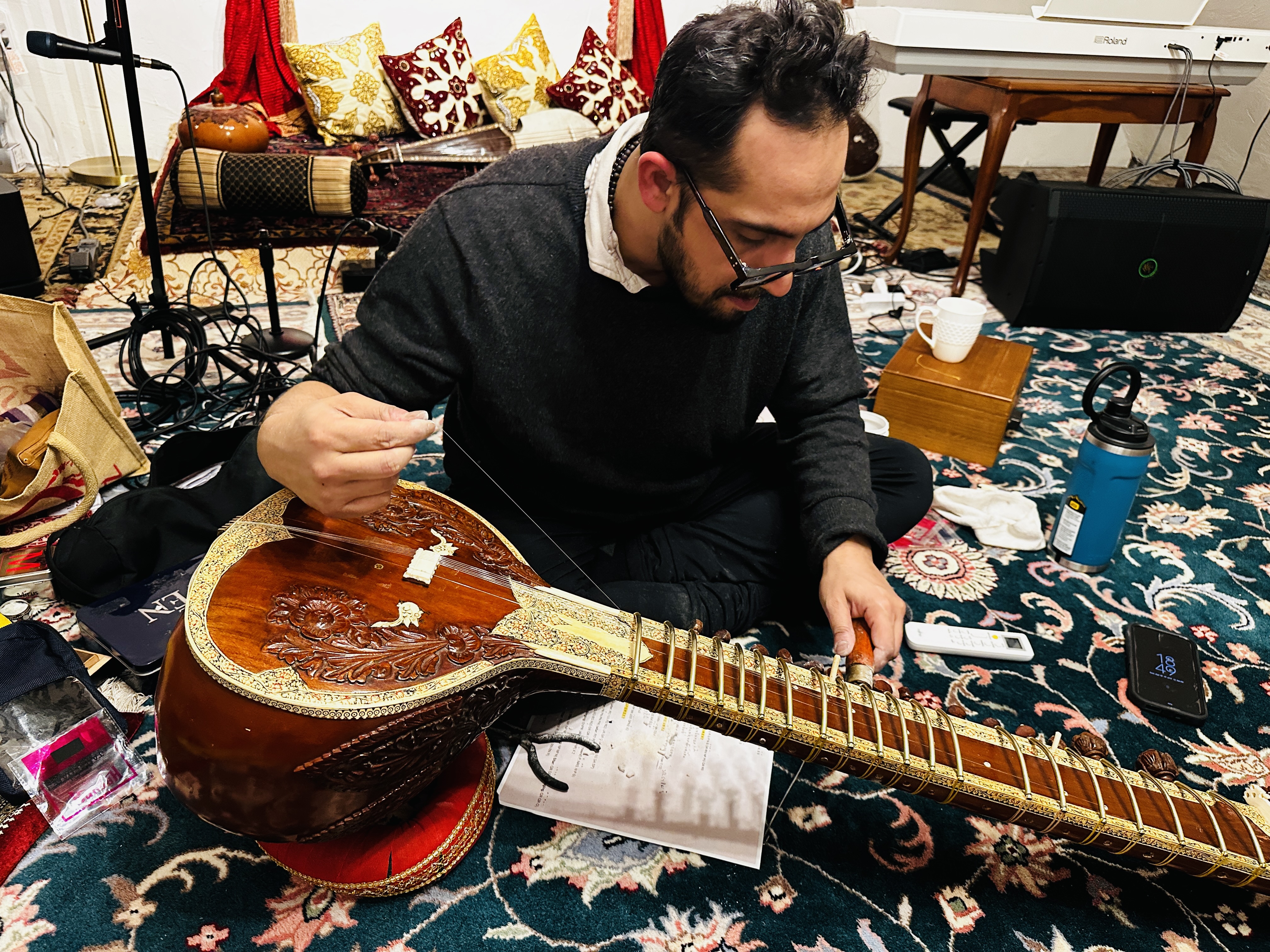
Yet for all its growing appeal, the sitar remains one of the most complex instruments to maintain. Bridge jawari — the precise shaping of the main bridge that determines tone, sustain, and buzzing character — is a highly specialized craft. Fret tying, sympathetic string alignment, uneven sound across registers, buzzing problems, tuning peg slippage — these are challenges that can derail months of practice and break a student's motivation.
"When your sitar doesn't sound right, your riyaz suffers. When your riyaz suffers, your motivation fades."
In the entire New England region, there is essentially no dedicated sitar luthierie. Players must ship their sitars to New York, Seattle, or California — waiting months — or simply play on an improperly maintained instrument that holds them back. For a student just beginning their journey, an unresponsive or buzzing sitar can feel like a wall. For an advanced player preparing for a recital, it can be a crisis.
SitarBoston exists to change that. We are building a community resource — a place where sitar players at every level can find guidance, maintenance, instruments, and one another. Not a business. A community.
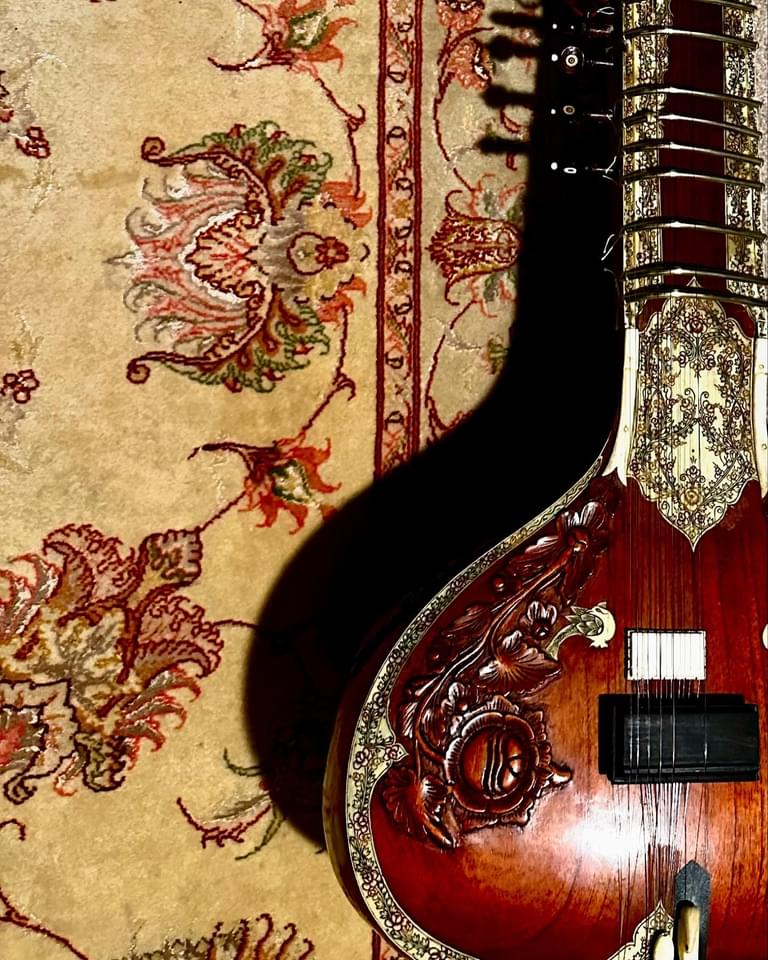
An oncology scientist by profession and a lifelong student of music, Dr. Samya Bhaduri has been fortunate to receive training in the Imdadkhani Gharana of sitar playing — one of the most distinguished lineages in the classical tradition, tracing its roots to the legendary Ustad Imdad Khan and carried forward through his grandson Ustad Vilayat Khan.
His guru is Shri Sharanjeet Singh Mand (sharanjeetmand.com), virtuoso disciple of Pt. (Dr.) Harvinder Sharma (harvindersharma.com) — recipient of the Sangeet Natak Academy Award in the year 2023, himself a disciple of the legendary Ustad Vilayat Khan Sahib for 27 years.
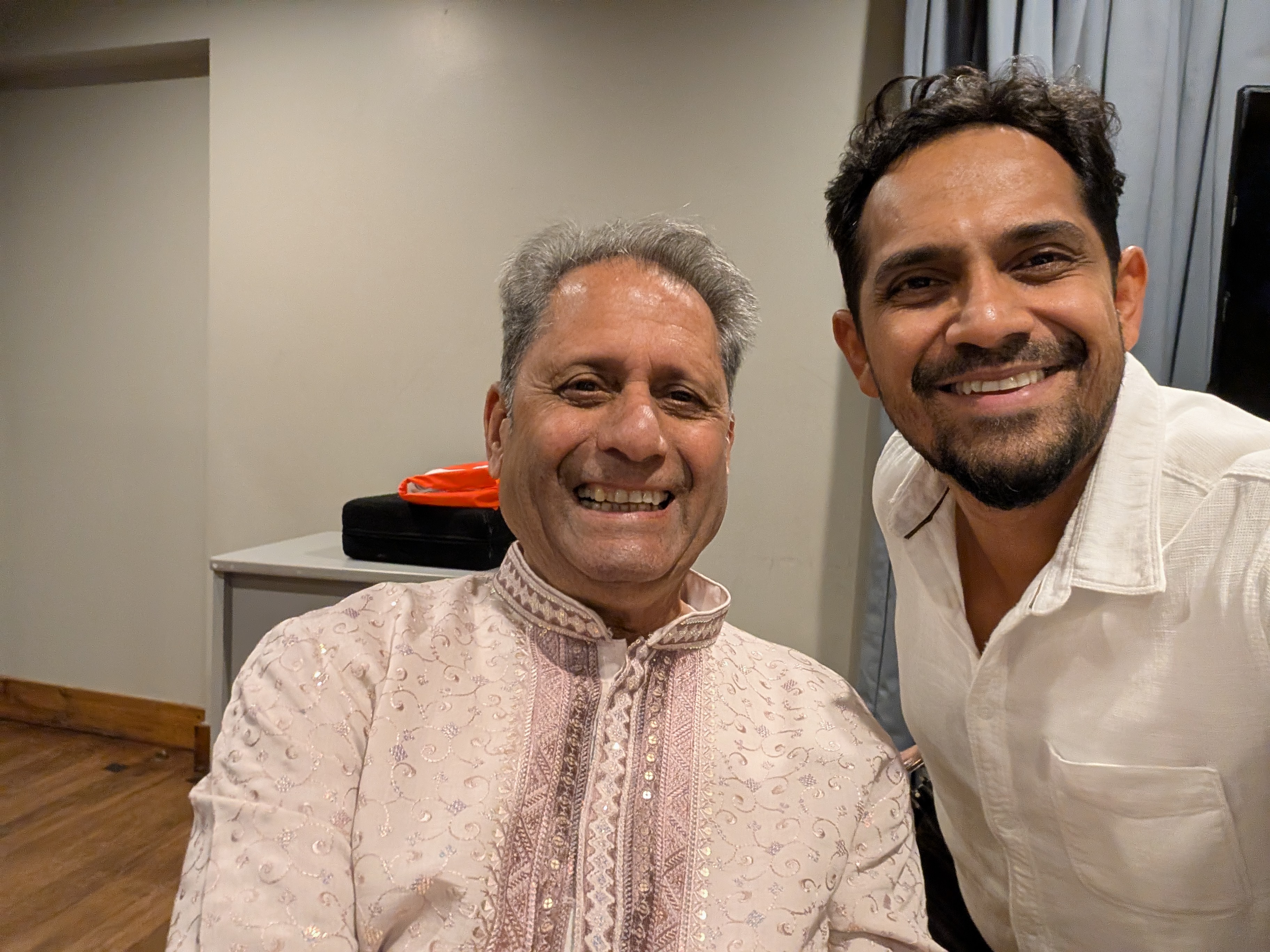
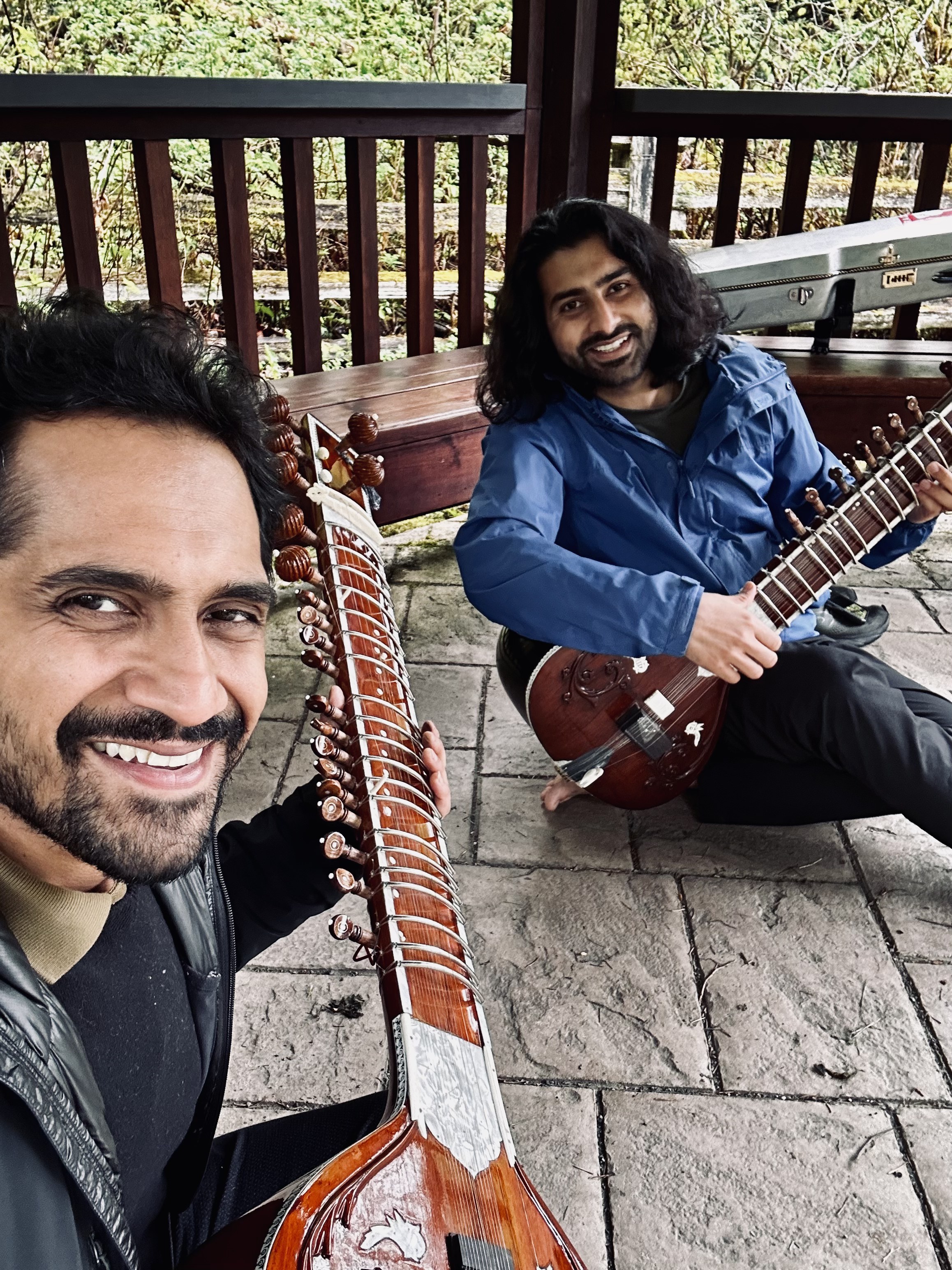
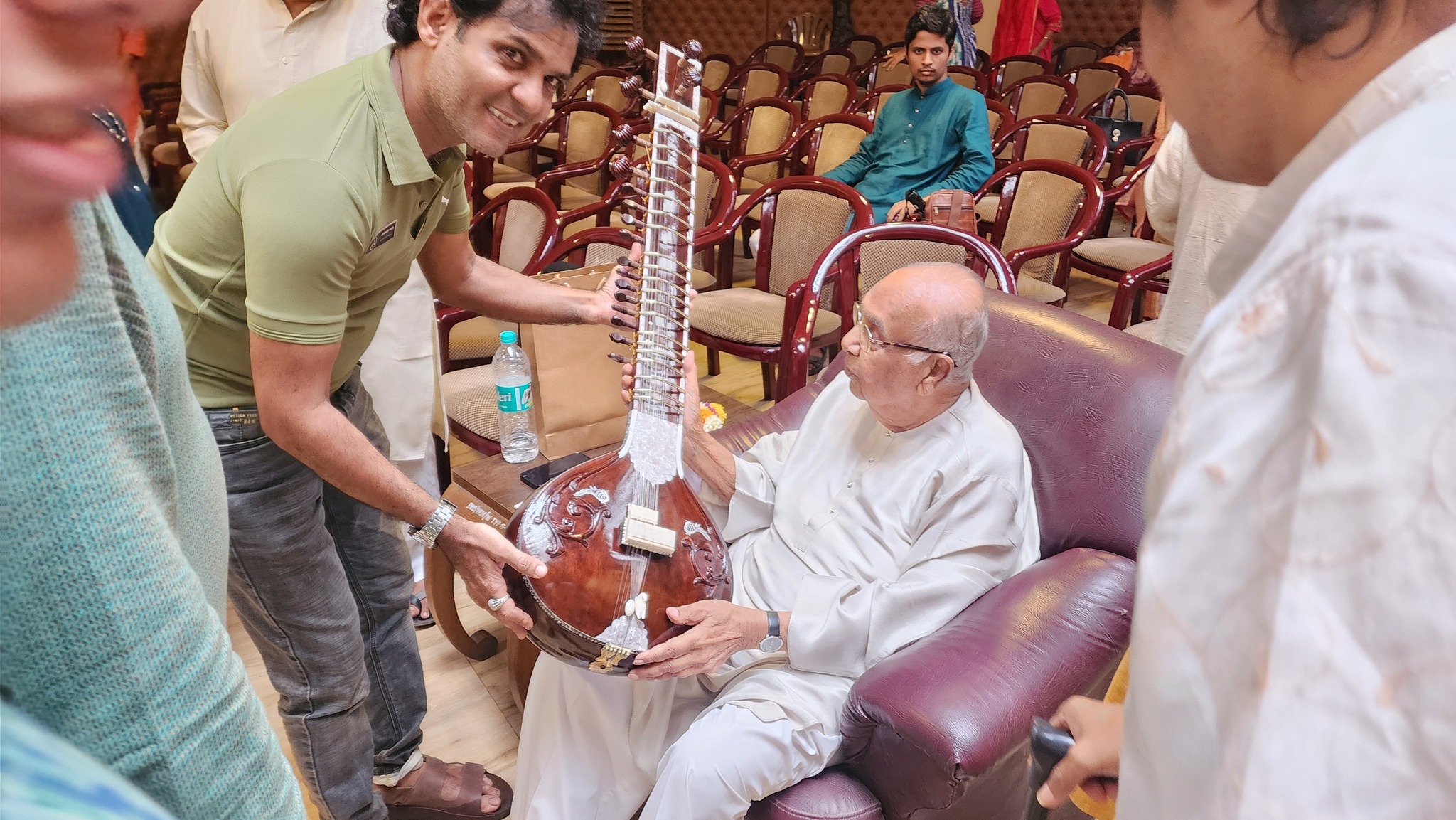
With Guruji
With Guru
With Guruji
In reverence to the souls whose light illuminates this tradition.
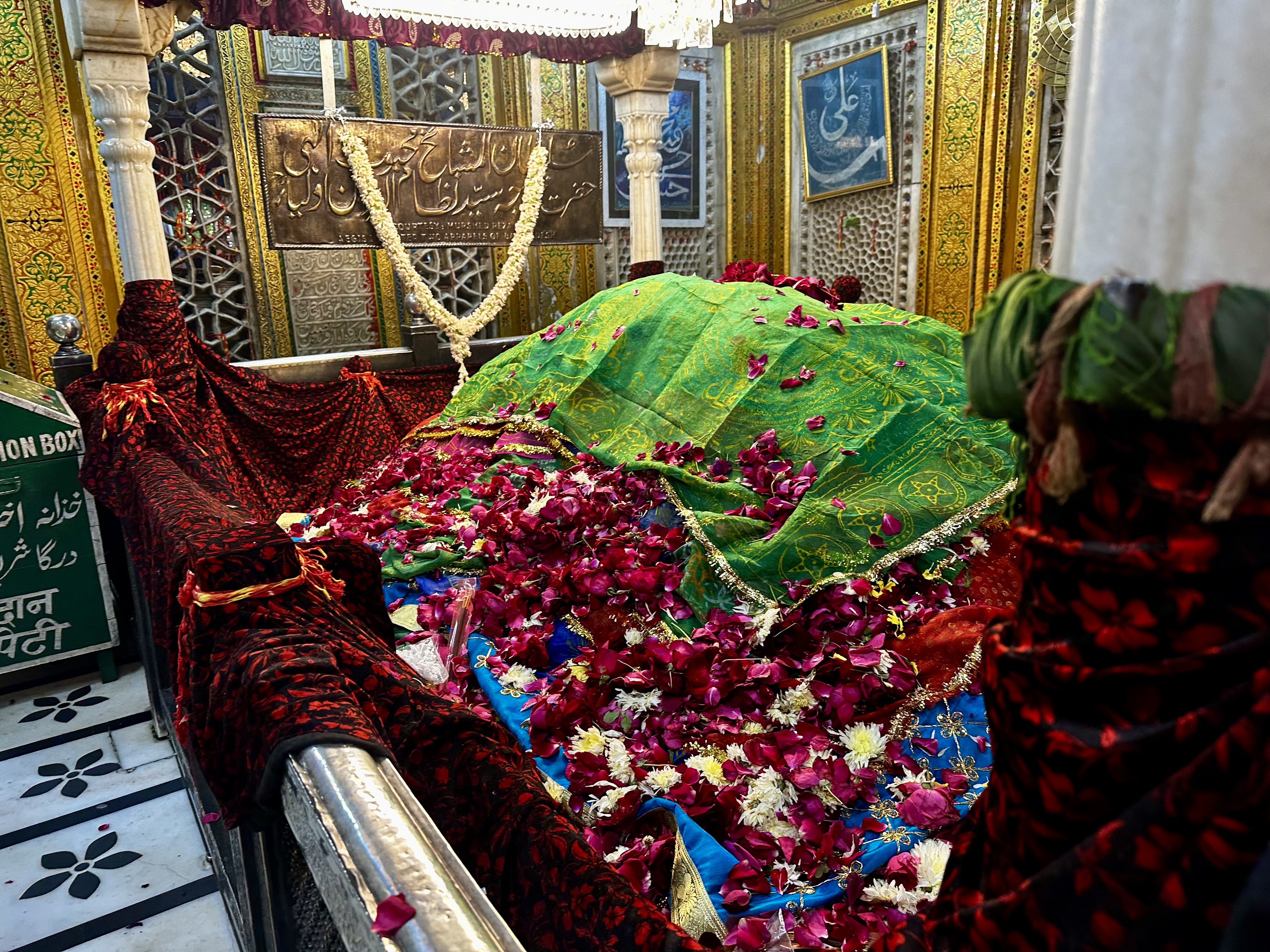
Hazrat Nizamuddin Aulia
Dargah · Old Delhi
Amir Khusrao
Tomb · Old Delhi
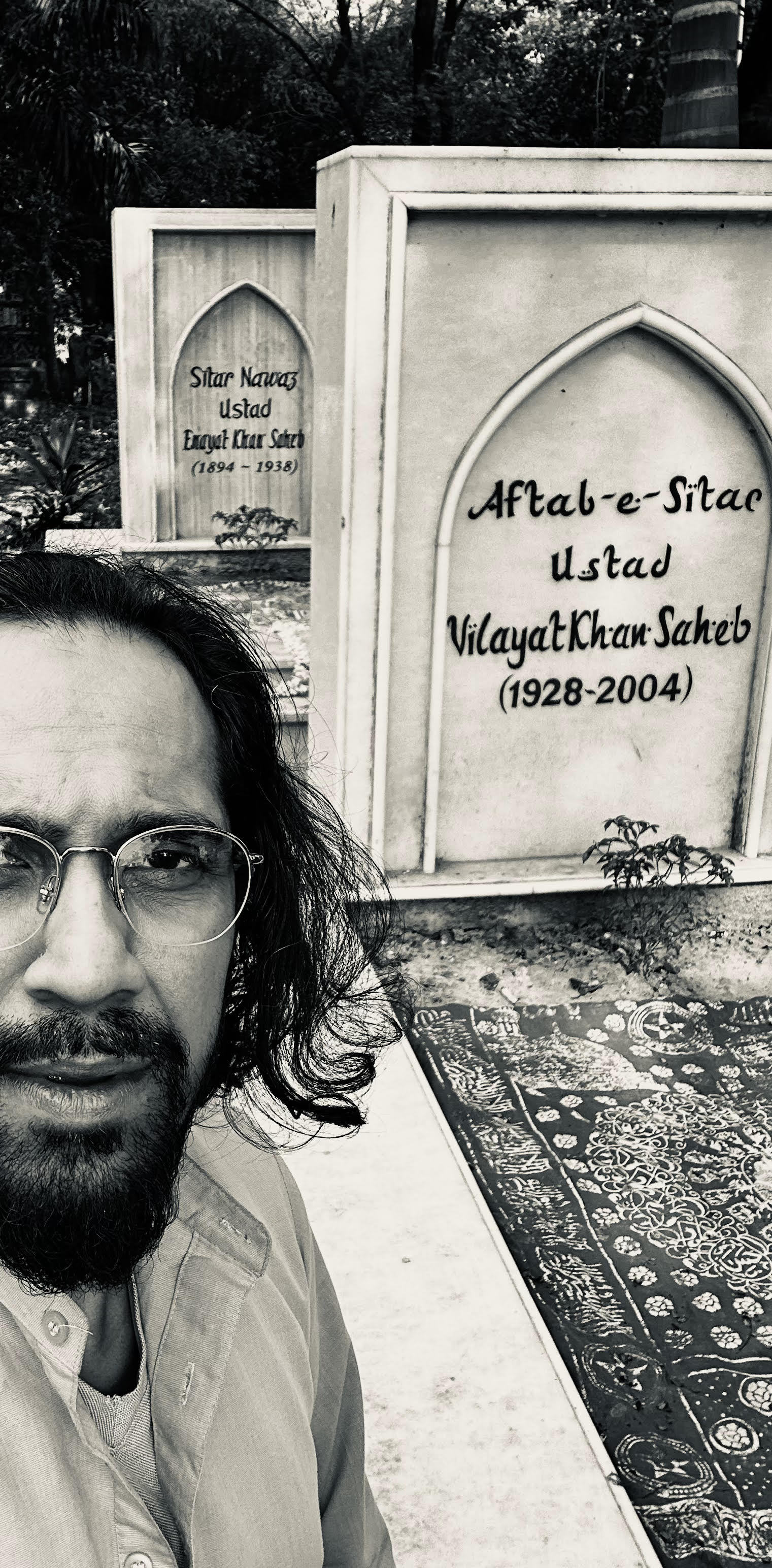
Ustad Enayat Khan & Ustad Vilayat Khan
Aftab-e-Sitar · Calcutta
Sitar was invented, about 800 years back by Hazrat Amir Khusrao, a devoted disciple of the great Sufi Saint, Khwaja Nizamuddin Aulia, Mehboob-e-ilahi. Ustad Vilayat Khan Sahib, who is buried next to his father, Ustad Enayat Khan Sahib, is credited with the creation of the gayaki ang (singing style) of sitar playing that is heard everywhere now. He was a contemporary of the great Pandit Ravi Shankar of the Laraj Kharaj style of sitar playing. Together, they brought sitar to the world stage.
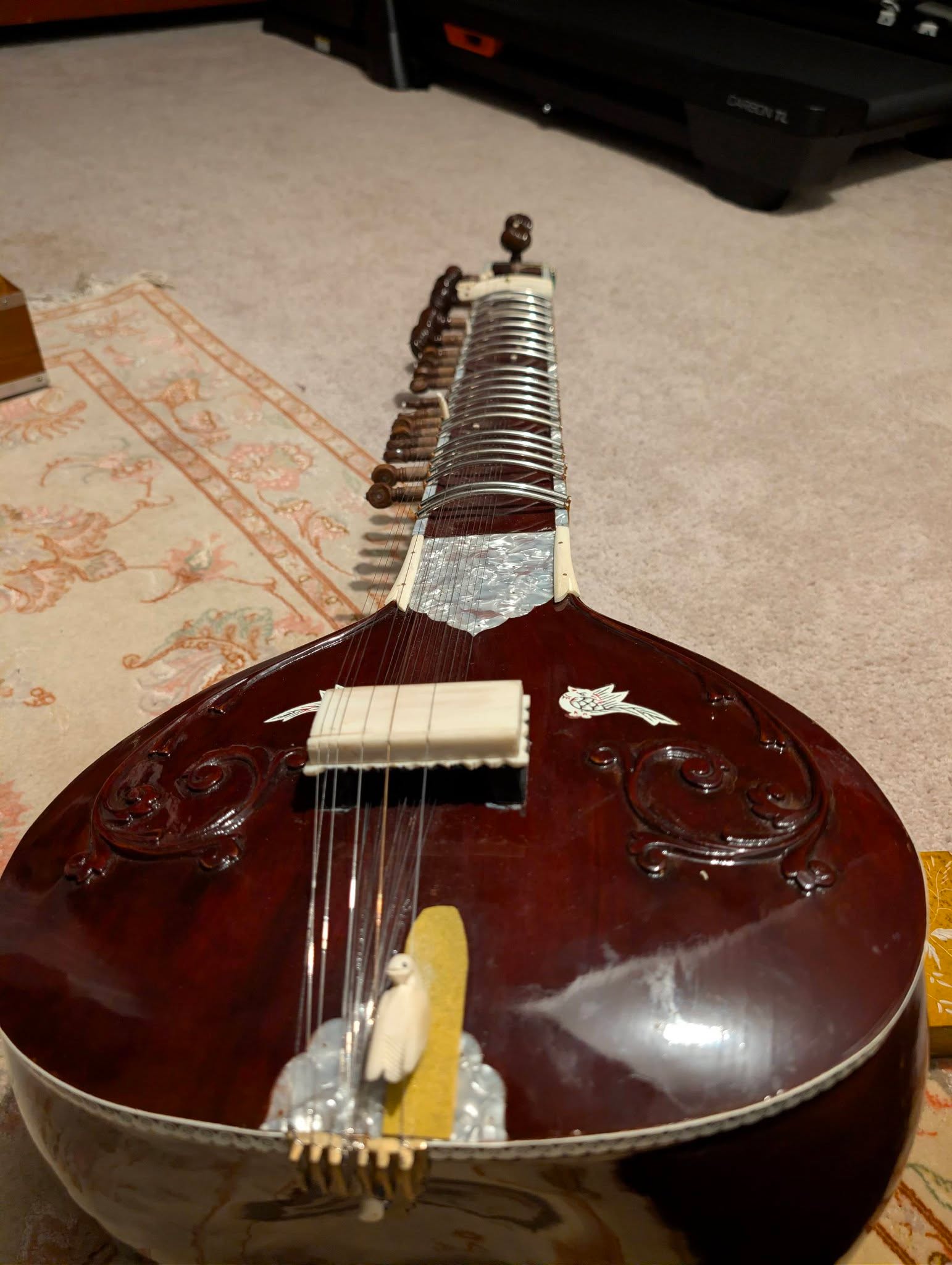
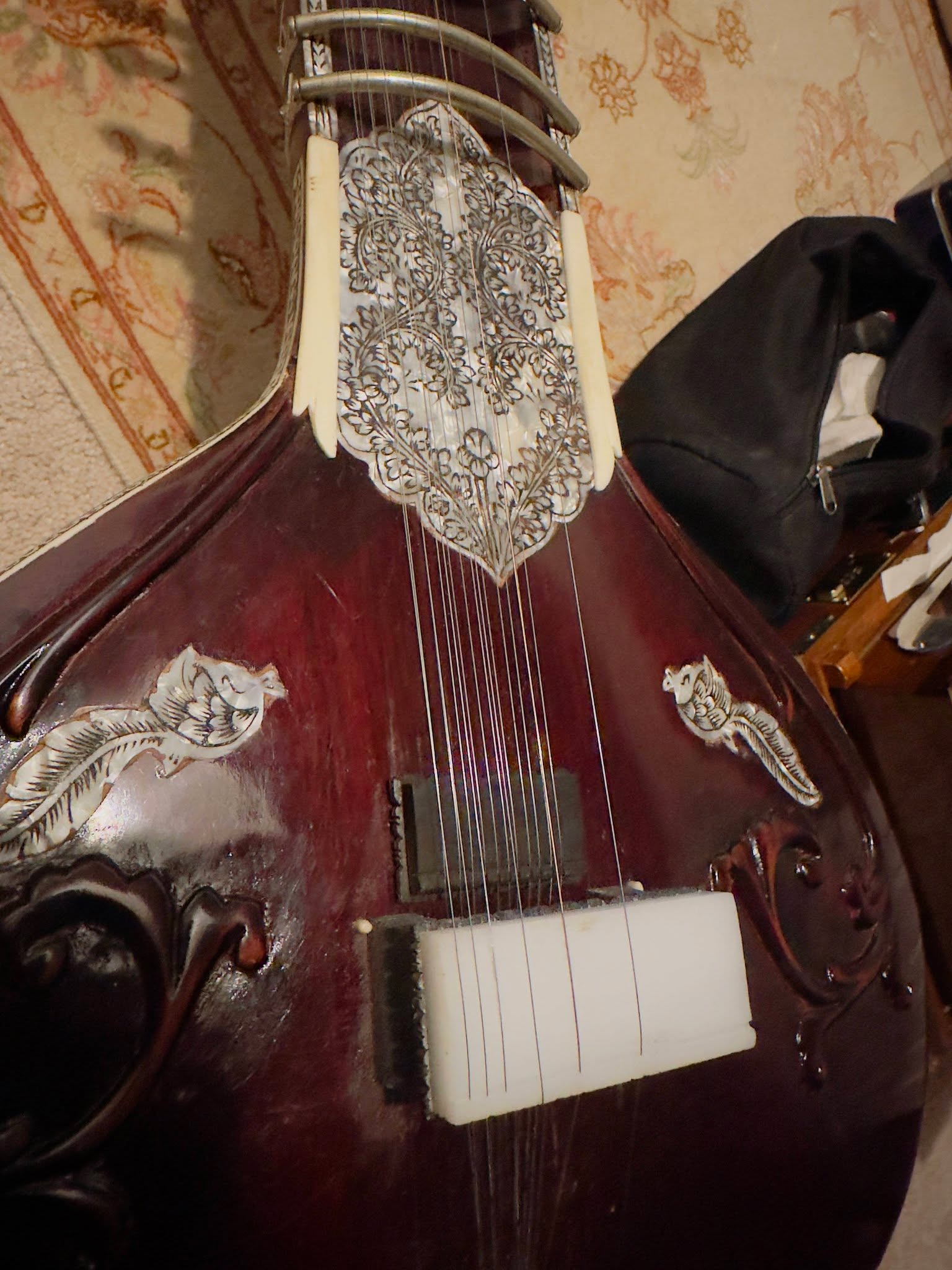
Sitar luthierie is among the rarest craft specializations in the world. The jawari — the precise convex curvature filed into the ebony or bone bridge — is what gives the sitar its characteristic buzz, its sustain, its singing voice. Getting it wrong by a fraction of a millimeter changes everything. Too open and it buzzes unpleasantly. Too closed and the tone dies. The perfect jawari is a lifelong pursuit
Training was received from the old sitar luthiers of Calcutta — masters of a tradition that dates to the great workshops of the nineteenth century — and deepened under the direct guidance of the sitar makers of Miraj, the undisputed capital of the craft in India today.
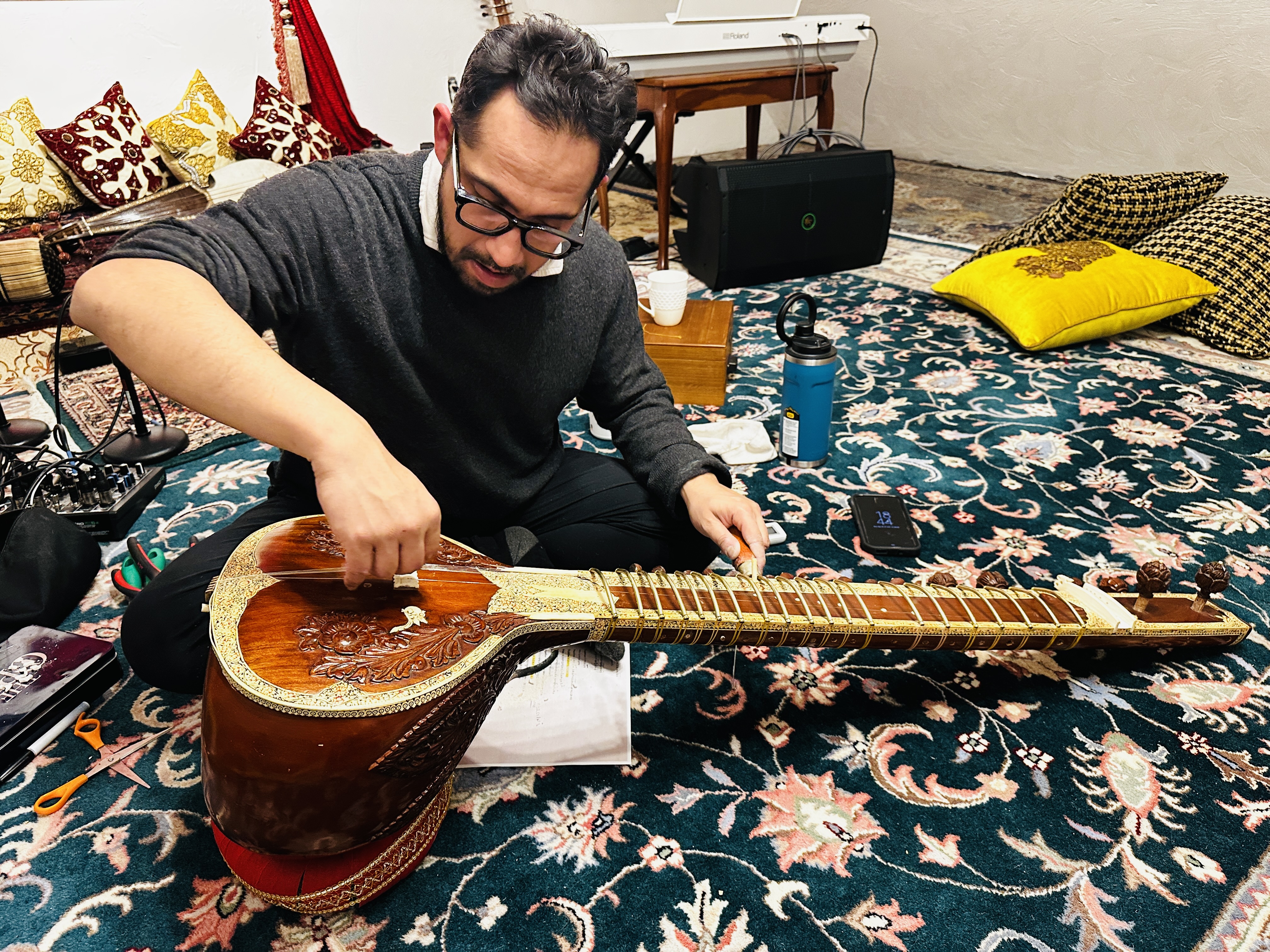
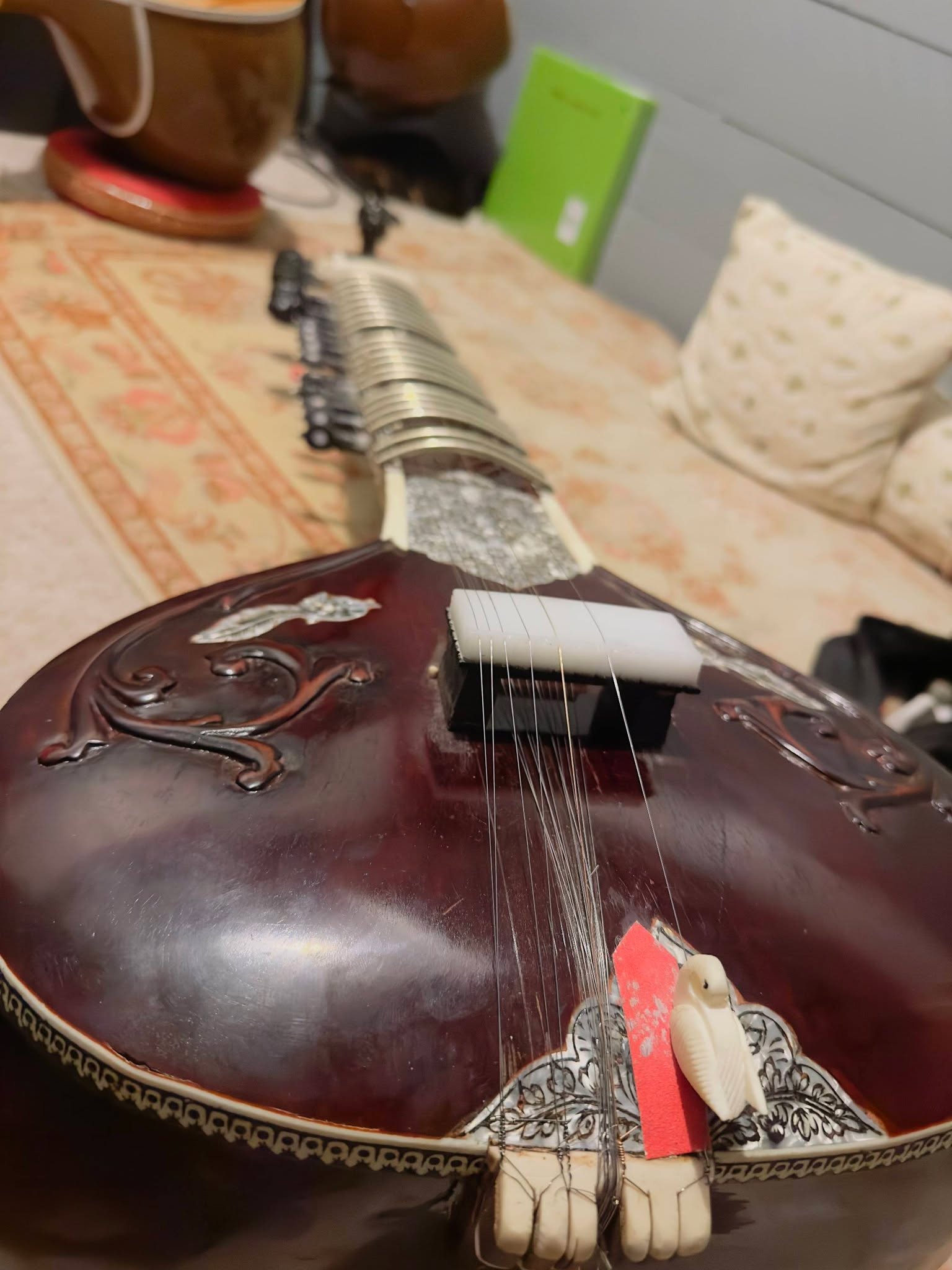
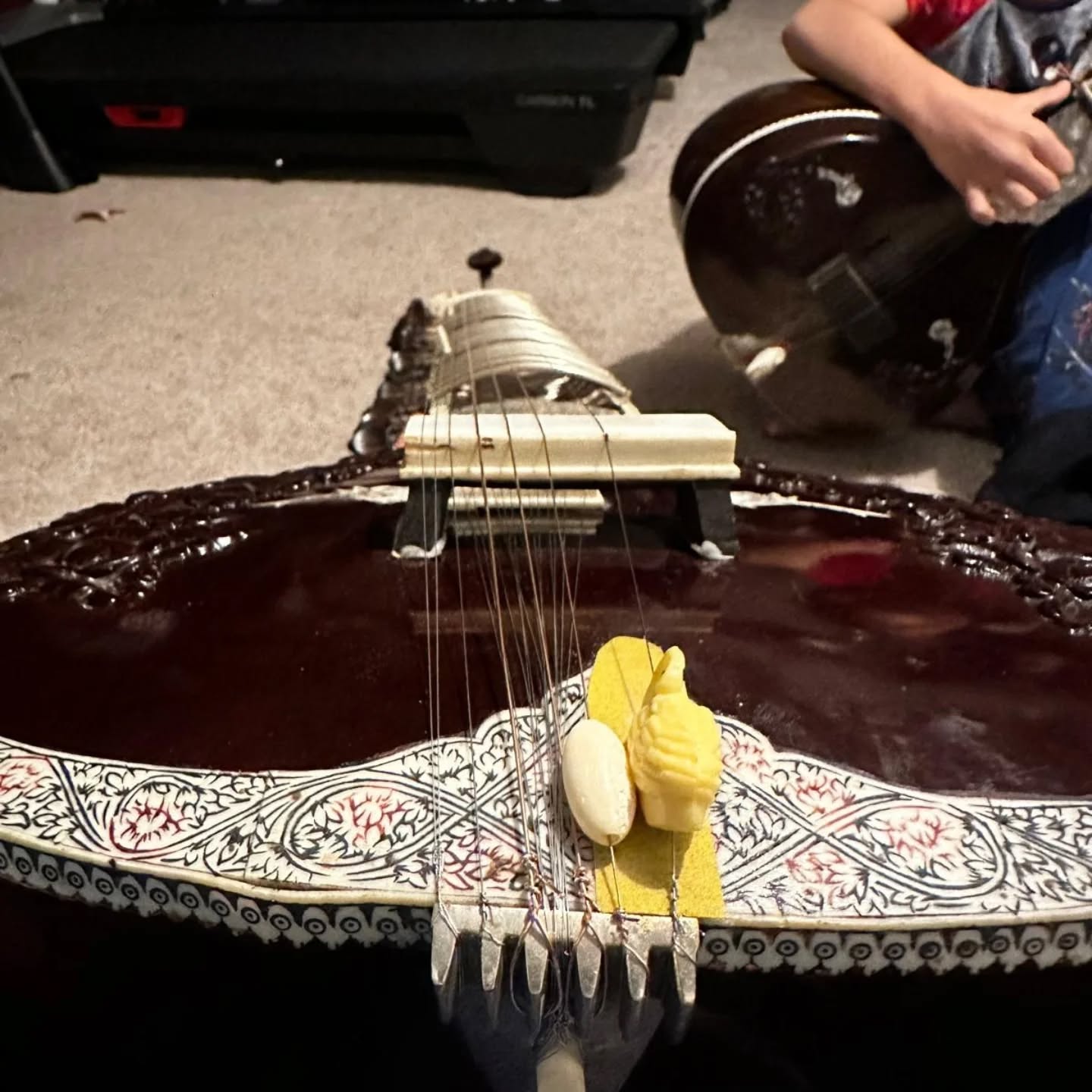
Closed jawari (VK style) for great sustain. The most critical maintenance a sitar can receive — shaping the main and tarab bridges for proper tone, sustain, and character. Semi Open Jawari (Gol Jawari) in Pt. Nikhil Bannerjee style. Ebony, Bone and Synthetic bridges according to preference.
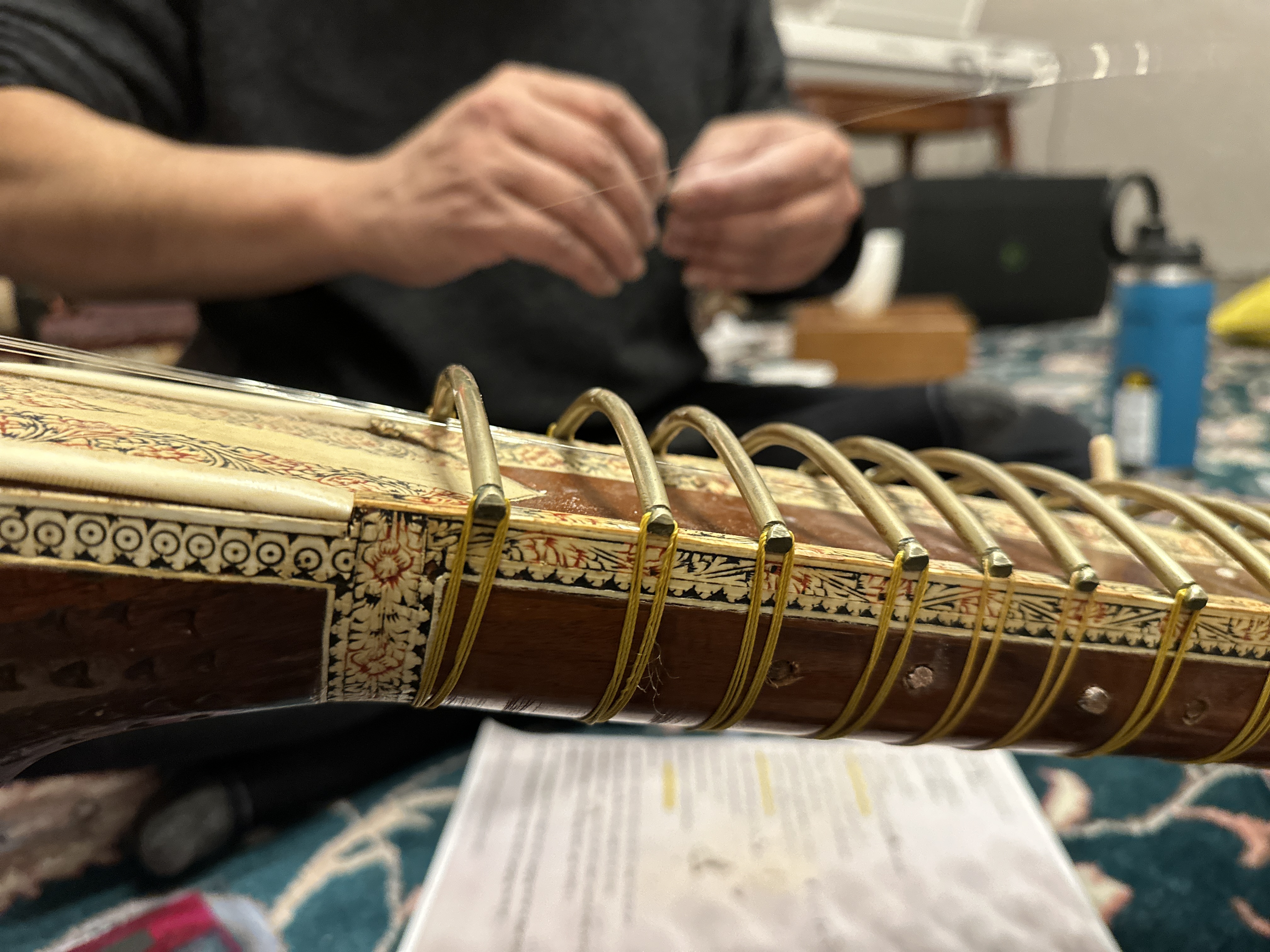
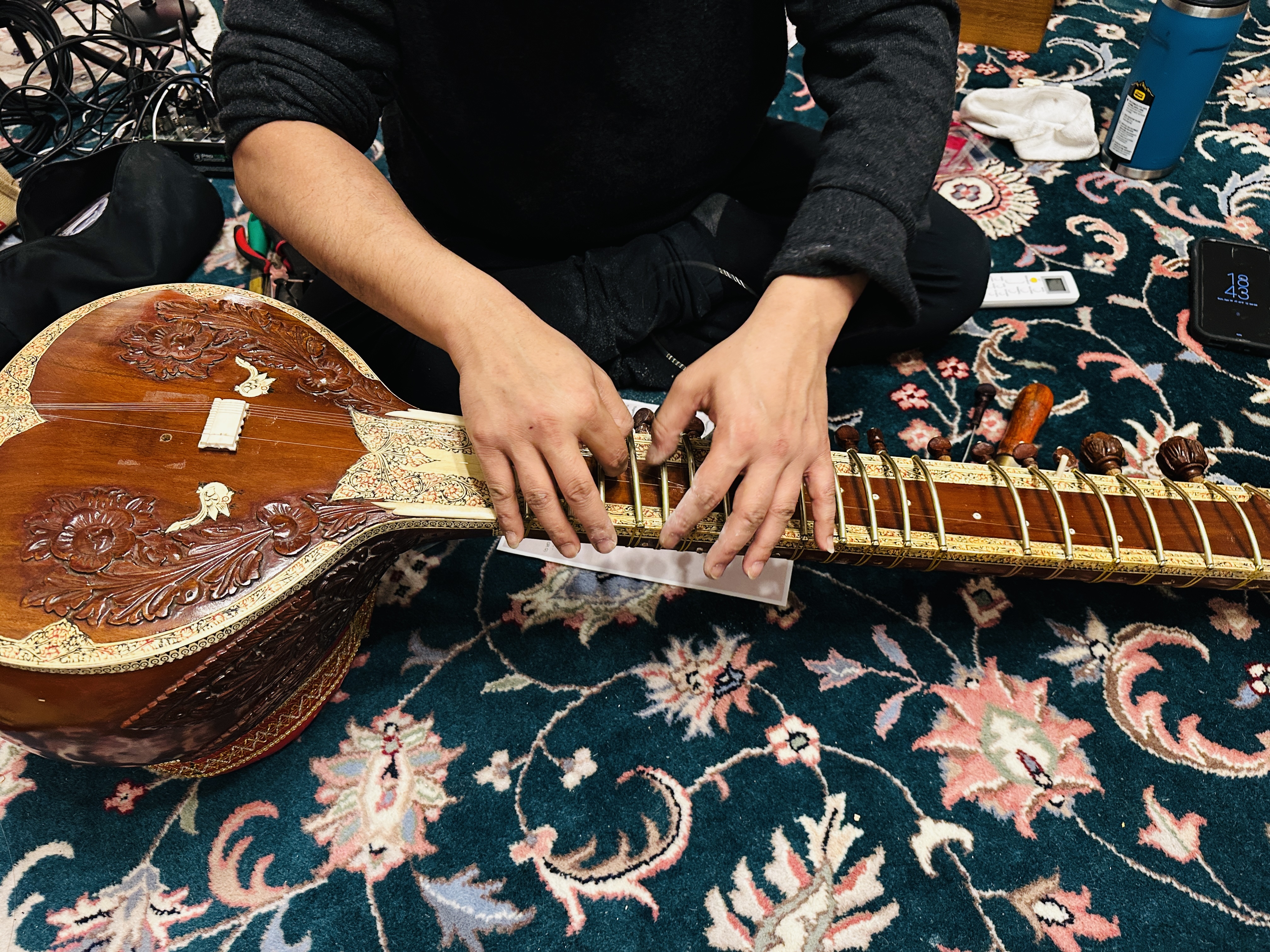
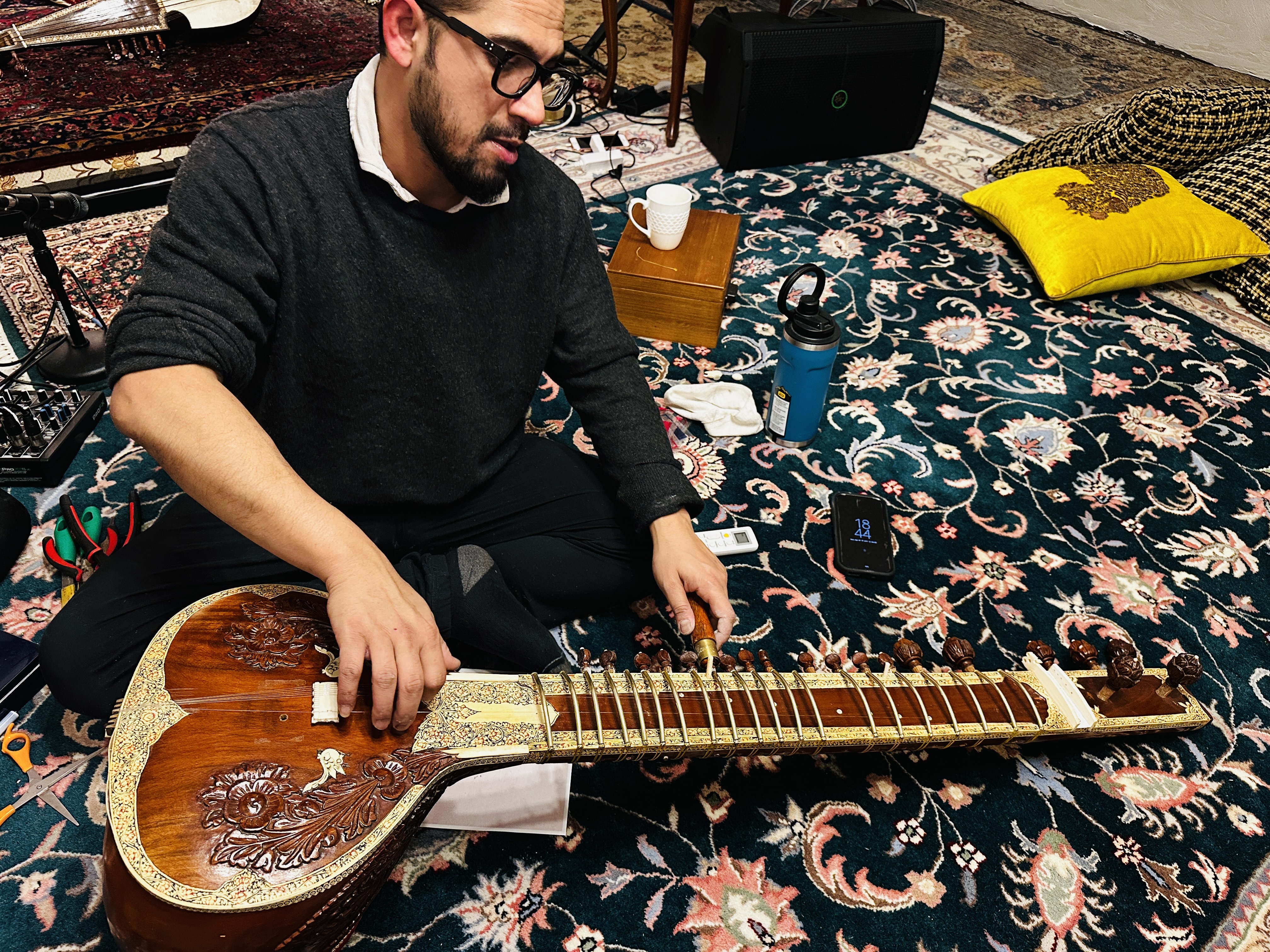
Tying & spacing. Uneven frets cause uneven sound across registers, and the asymmetries compound with time. Proper fret tying ensures clean, ringing notes at every position on the neck — the foundation of clean technique and musical expression.
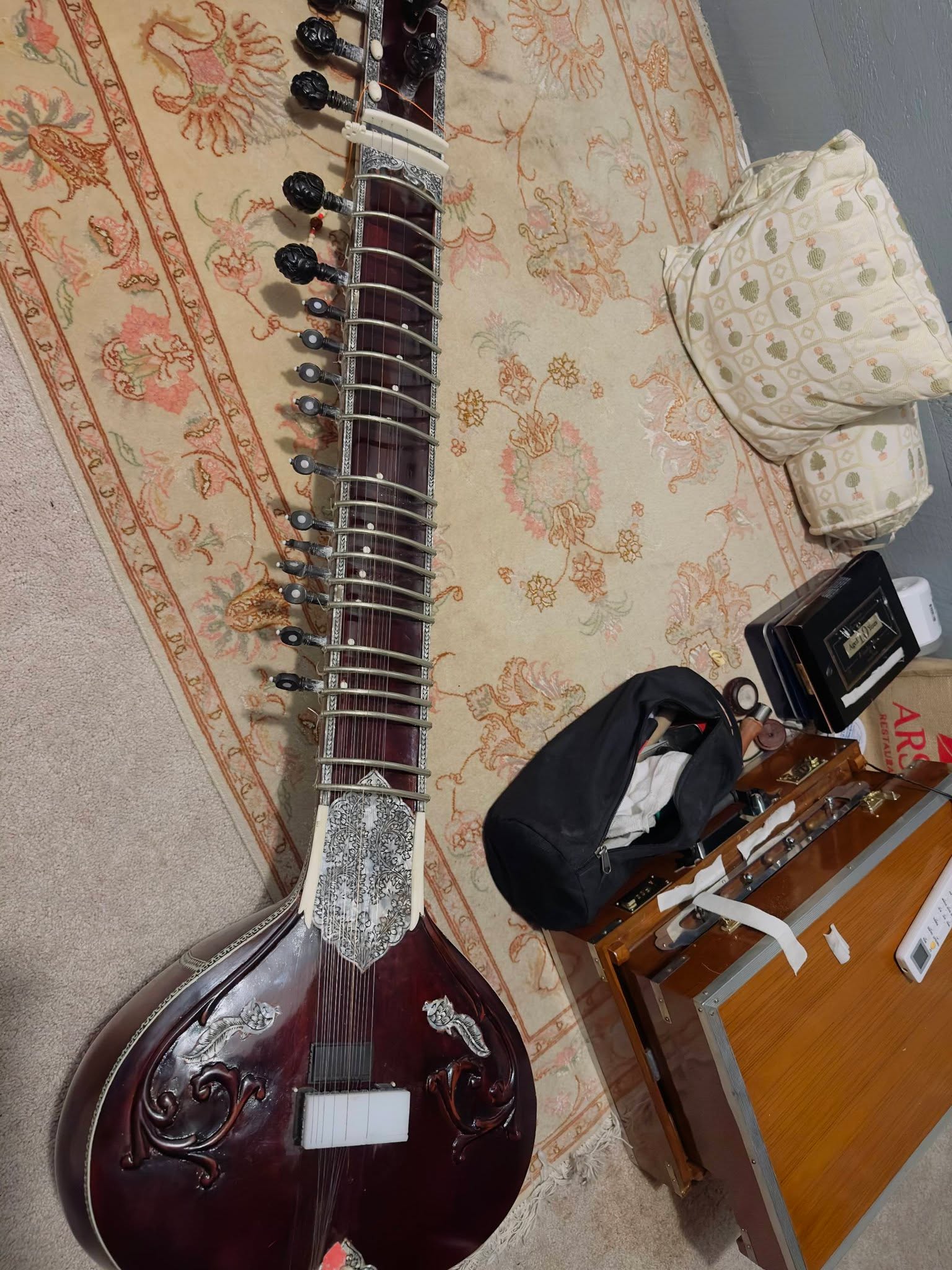
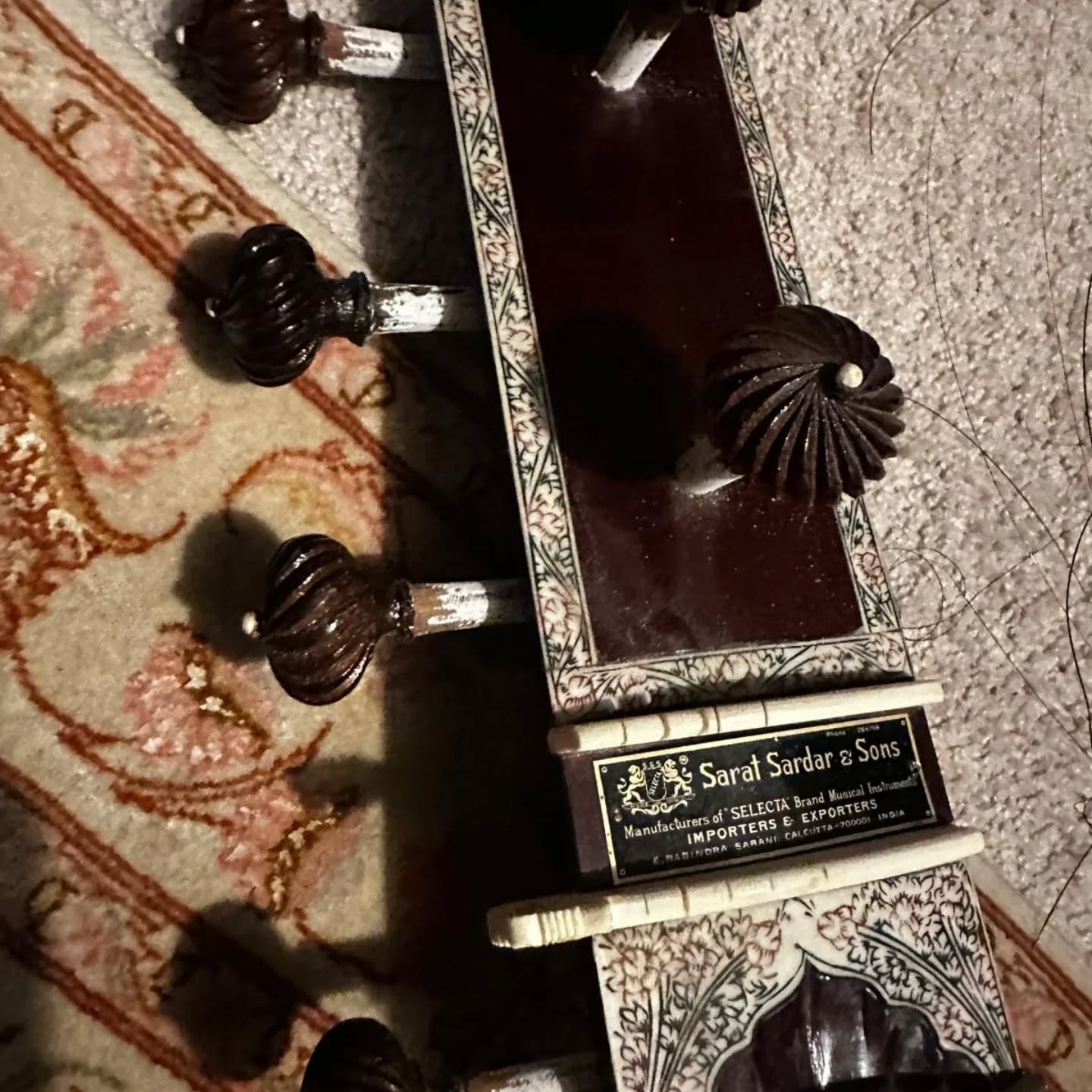
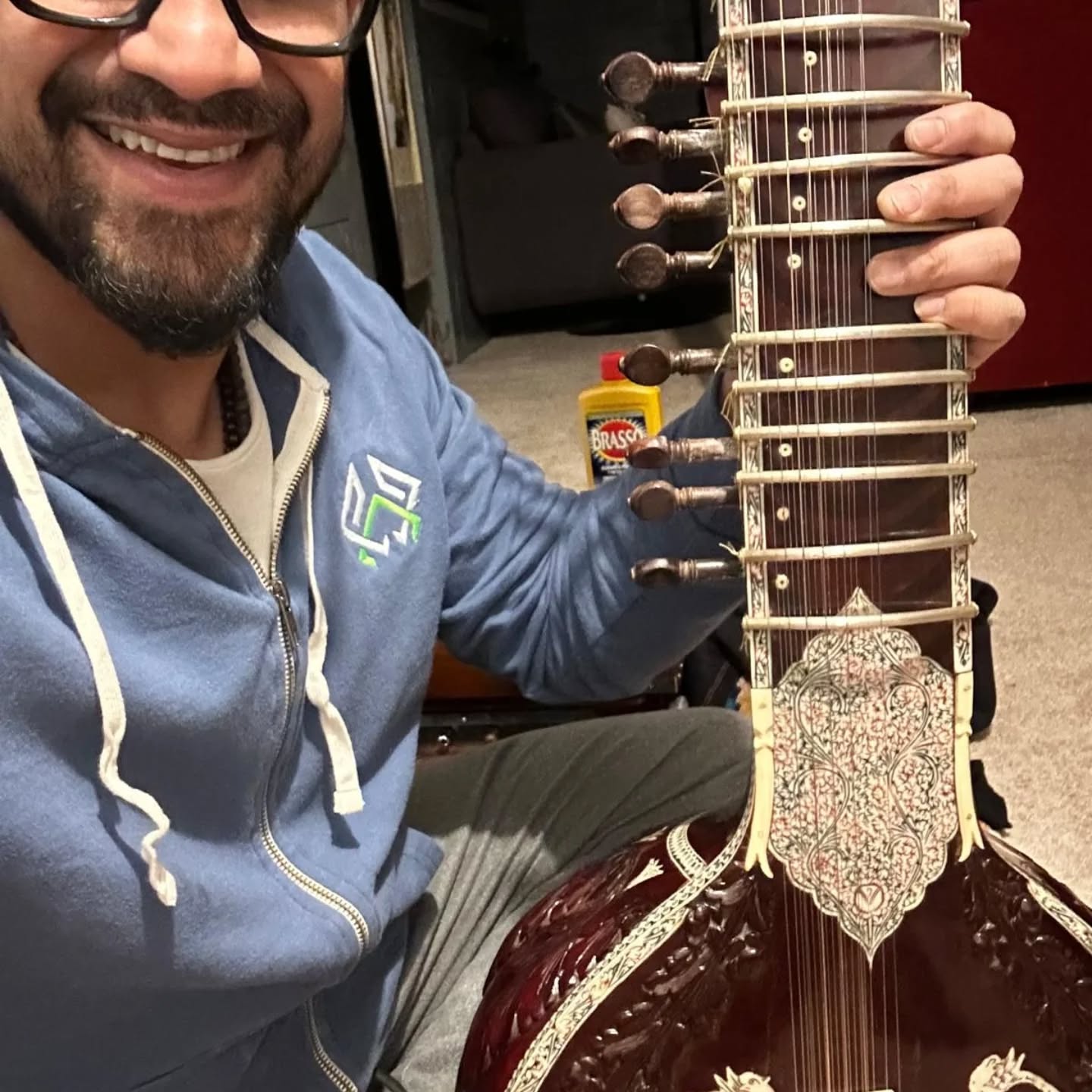
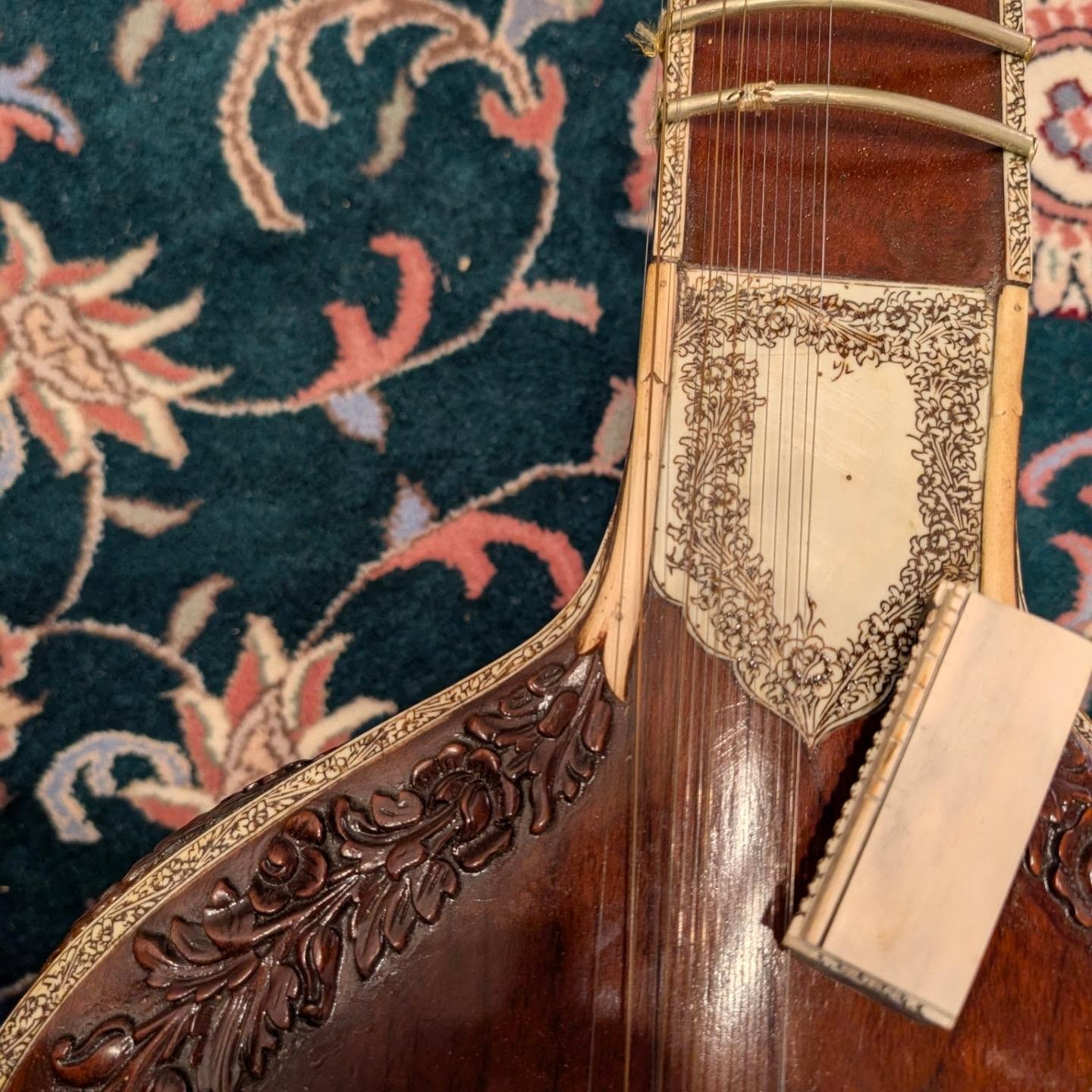
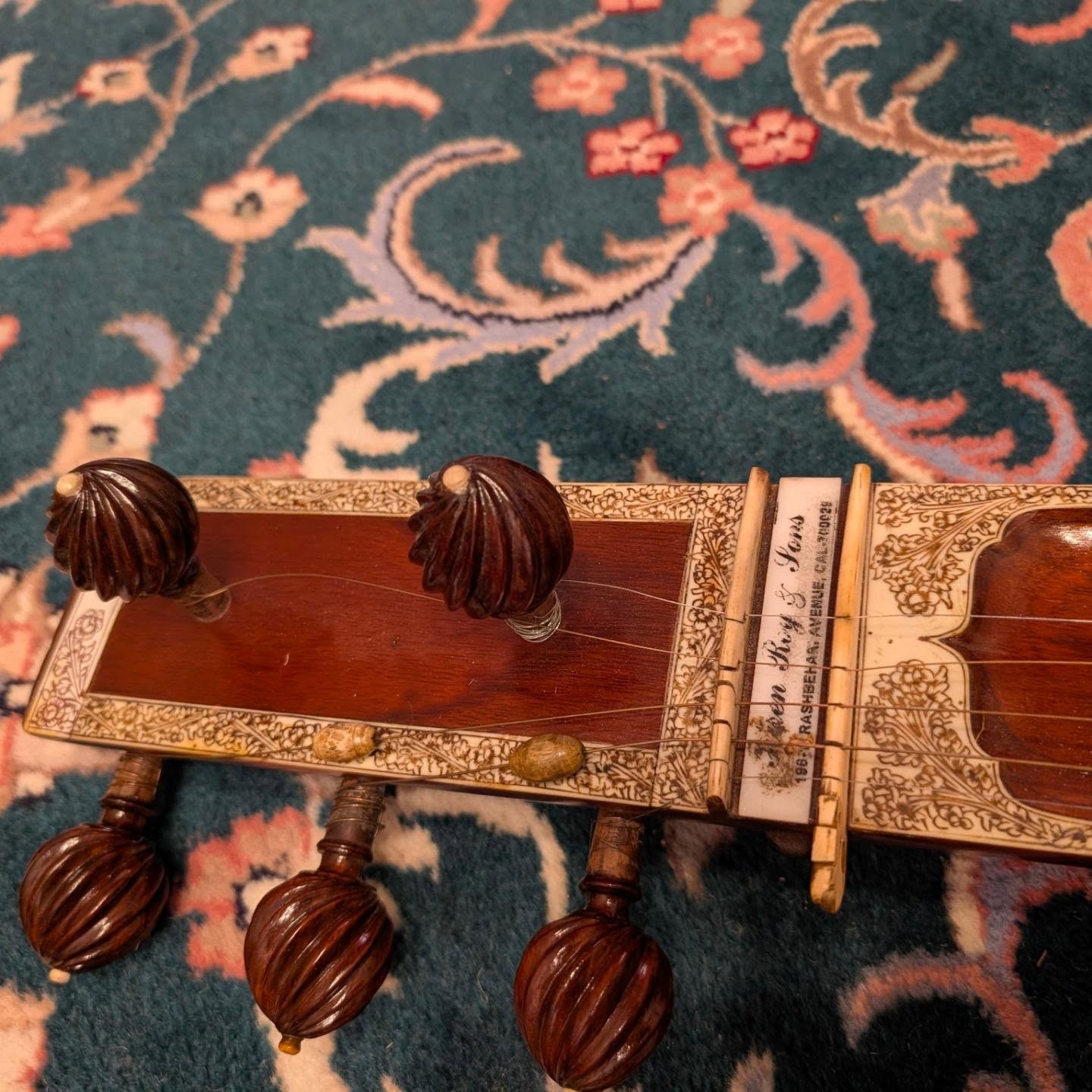
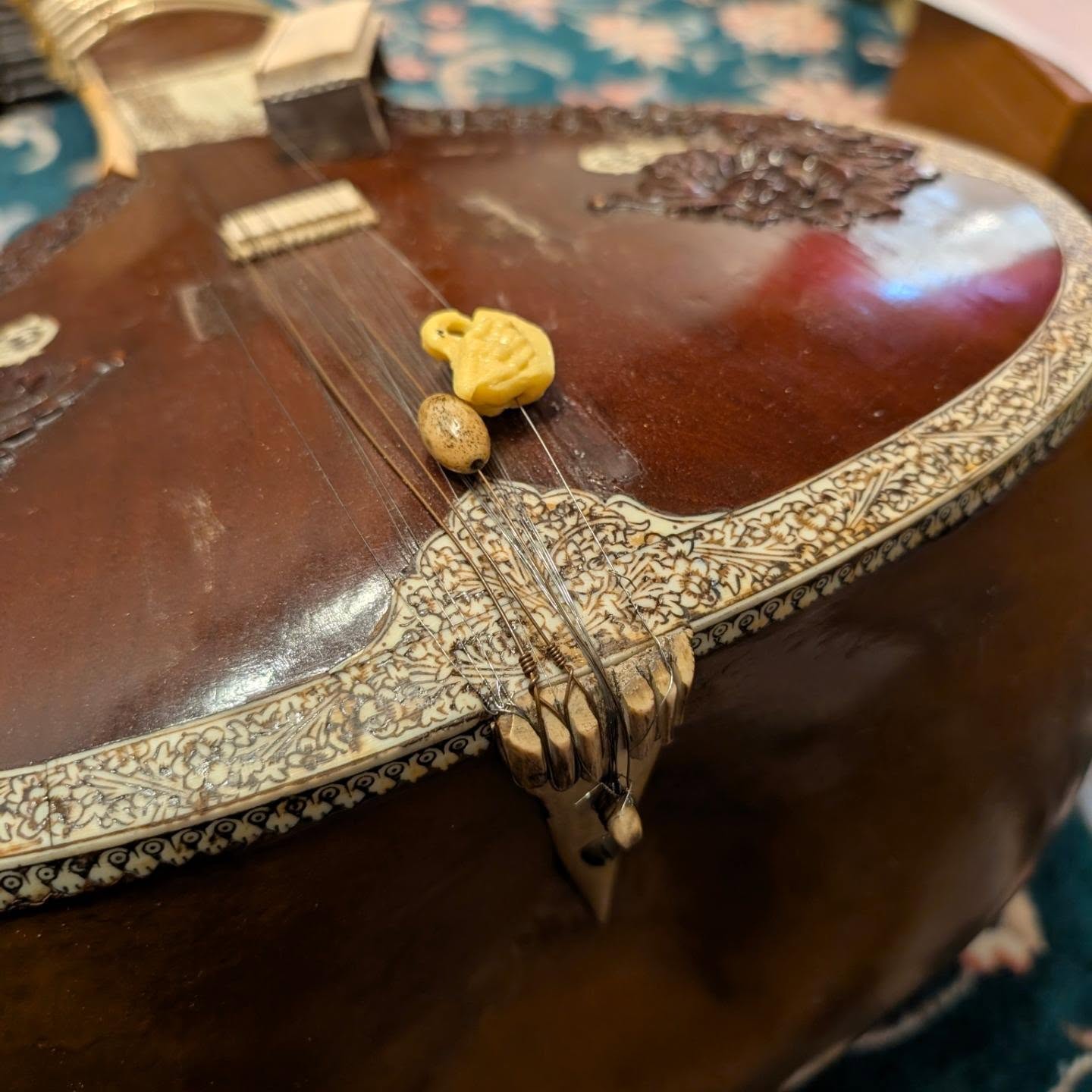
For vintage instruments — Sarat Sardar, Hiren Roy, Naskar, Kanailal — rare sitars that deserve meticulous care. New bridges carved from bone, full string sets, peg smoothening, fret graduation, polish. Bringing a historic instrument back to its voice is one of the deepest satisfactions of this work.
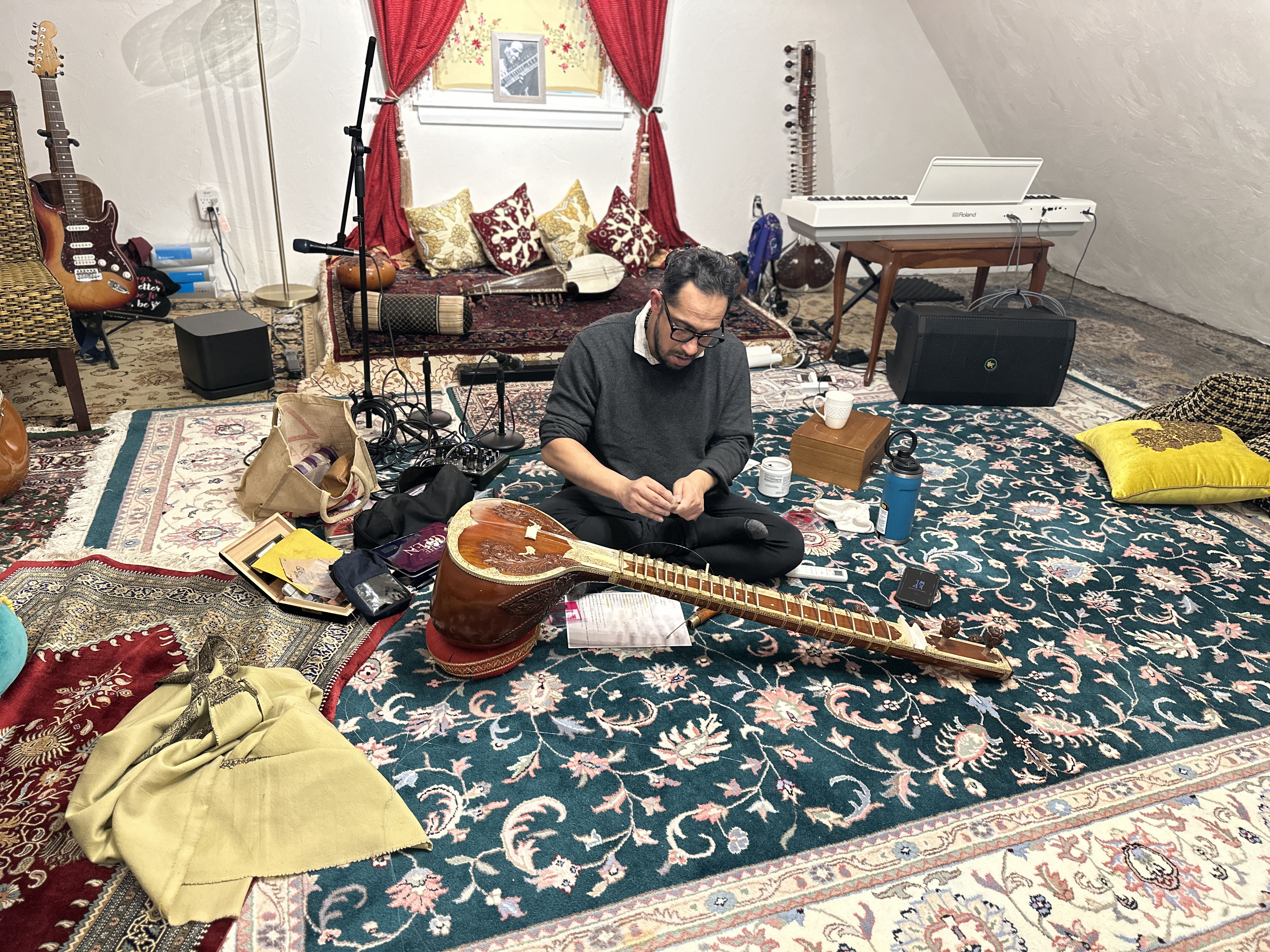
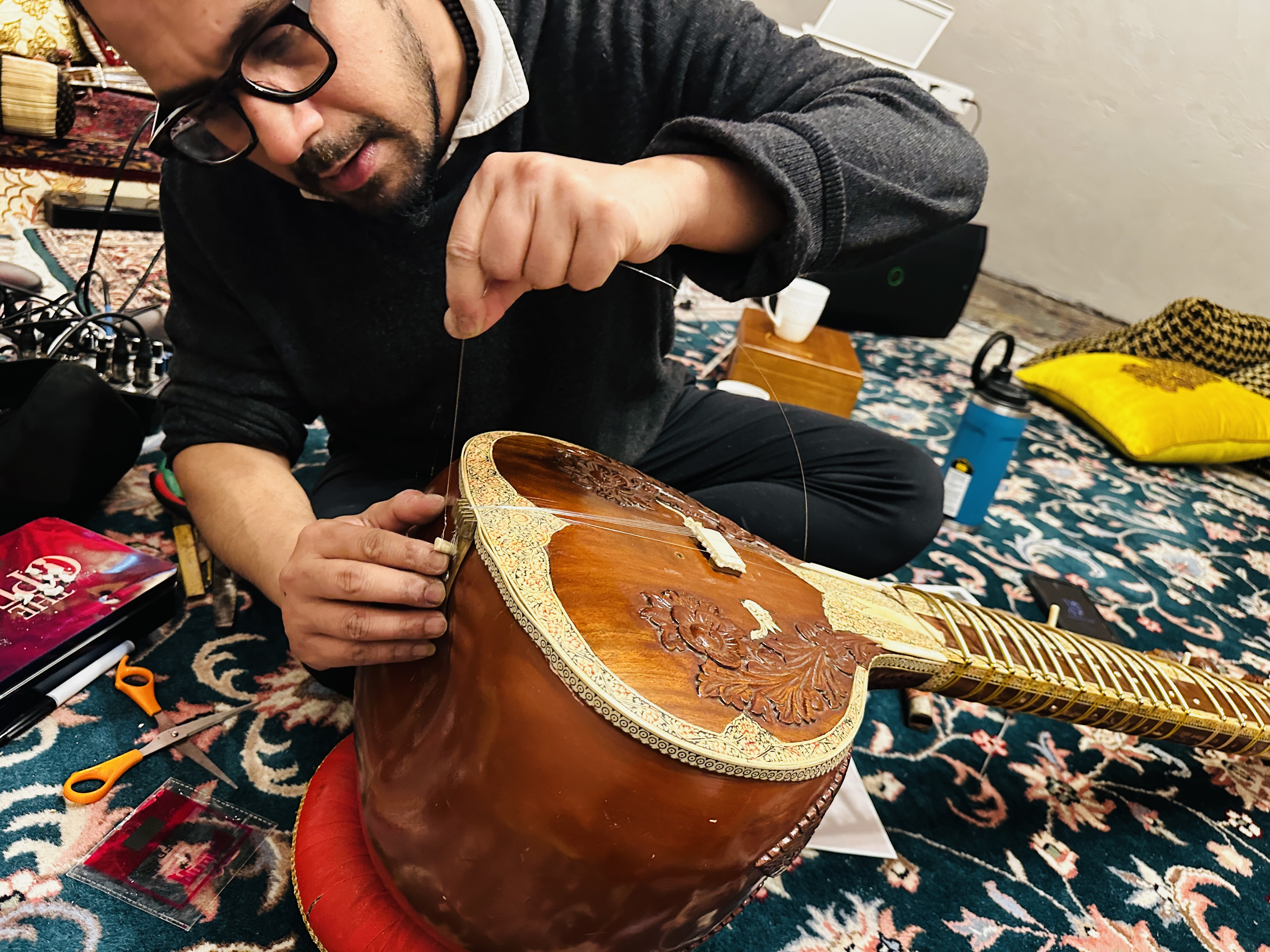
String changes (main and tarab), tuning peg adjustment, langot repair, Tar Gahan maintenance. A sitar that is regularly maintained plays better, sounds better, and rewards its player. Keeping your instrument at its best year-round — this is ongoing service available to students and community members.
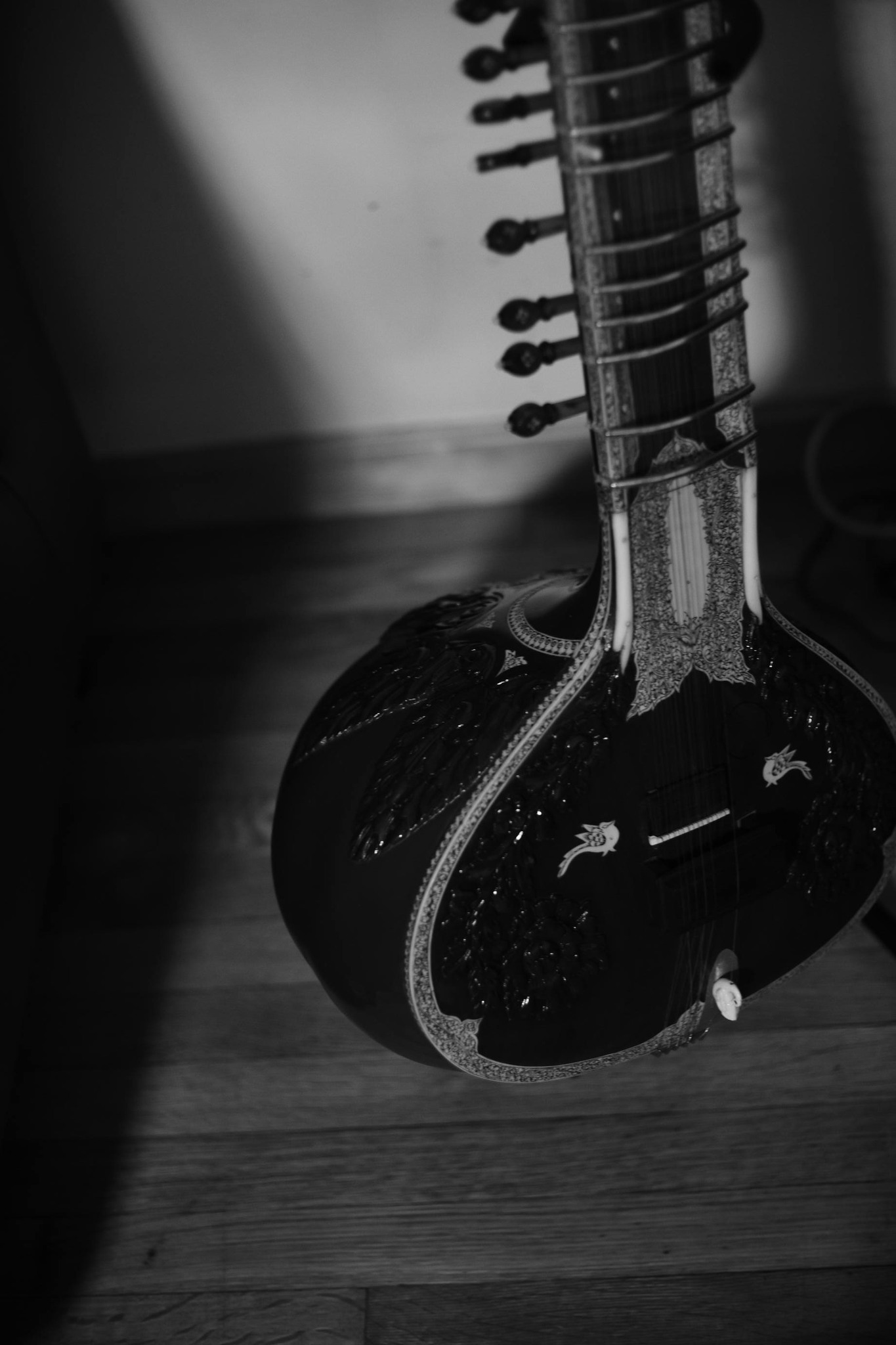
BM Sitarmaker GP
BM Sitarmaker GP Sitar
Kanailal Sons GP
Kanailal & Sons GP — singing after bridge and jawari work
Restored Hiren Roy Vintage 60s KP Sitar
Sound Check & Graduation — Vintage Hiren Roy
Vintage Sarat Sardar Sitar KP — Restored
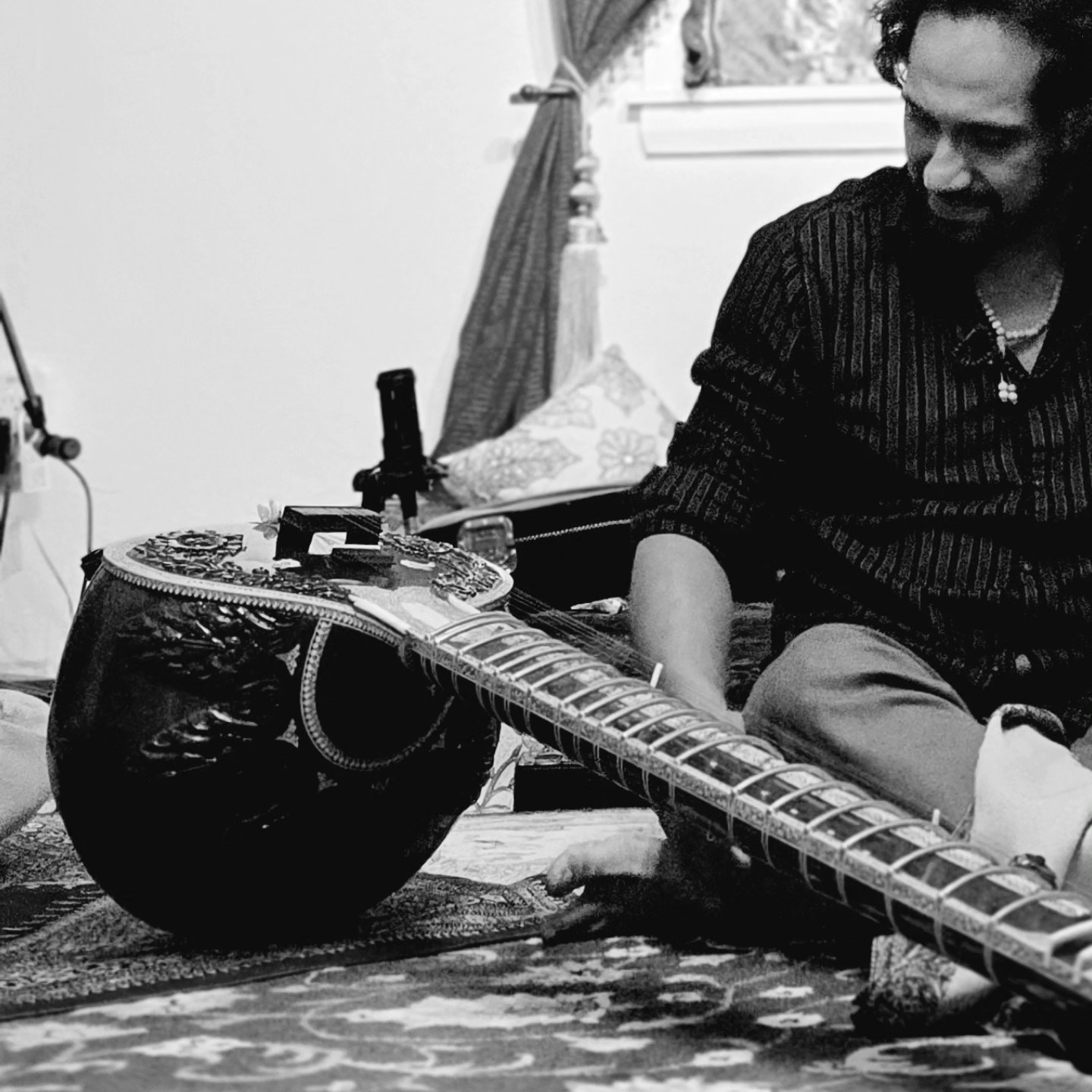
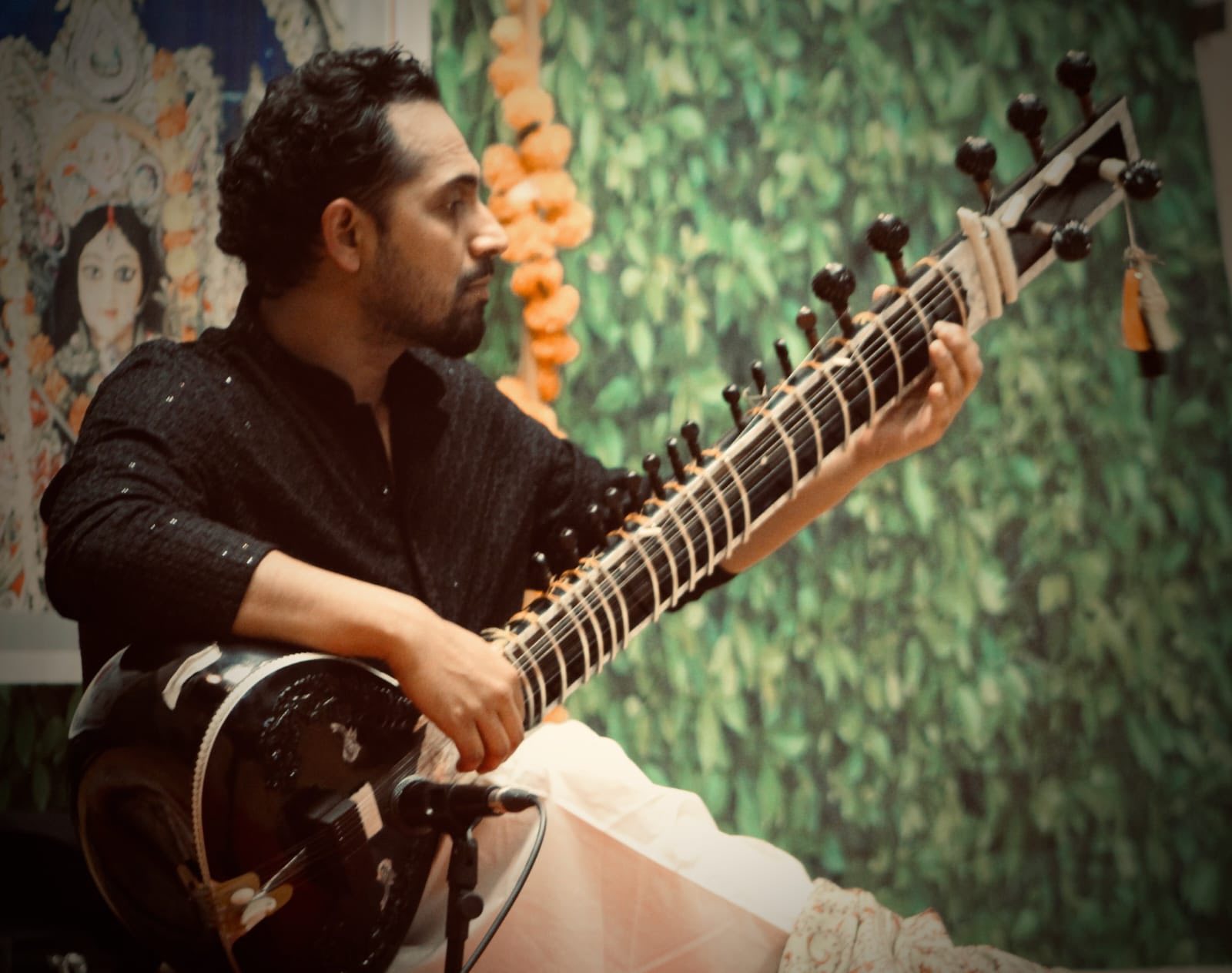
Sitar Lesson
The sitar is not just an instrument — it is a lifelong practice, a meditative discipline, a connection to centuries of musical thought. Its twenty-one strings, its movable frets, its sympathetic resonance — all of this demands patience, listening, and a willingness to be surprised. Lessons at SitarBoston are designed around each student's goals, pace, and context.
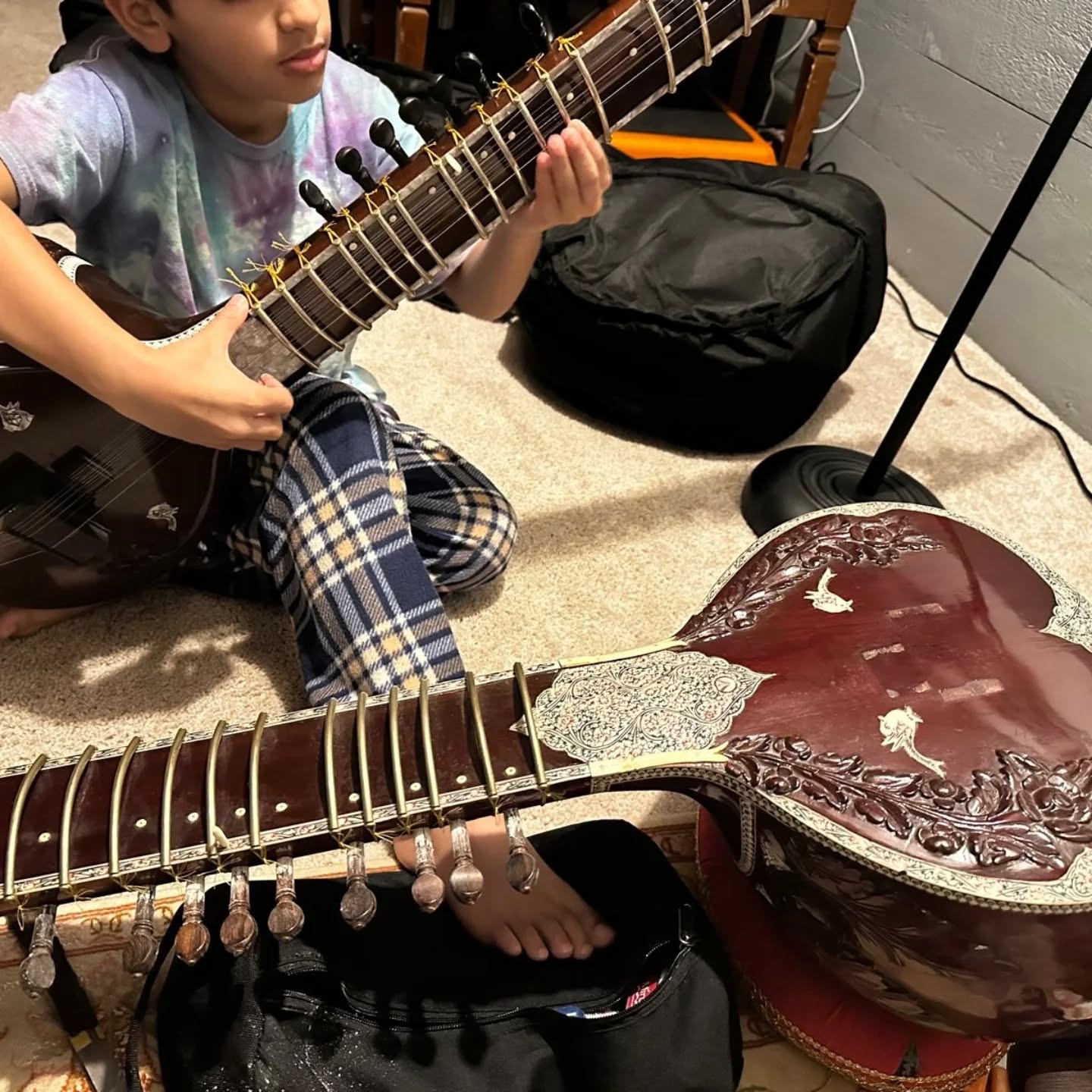
Proper posture and hand position from day one. Learning the foundational strokes (da and ra), basic ragas, and understanding the instrument's construction. The sitar rewards deliberate practice — patience and encouragement over speed, always.
Deepening raga understanding, developing speed and clarity in taans, working on gamak, meend, and advanced techniques. Learning to listen critically to your own playing — this is where the real transformation happens.
Children, adults, seniors. The sitar's meditative quality makes it accessible and rewarding at any stage of life. Some of the most natural students are those who come to it later — with patience already cultivated.
Reach out to discuss your goals and availability. All sessions are by arrangement, tailored to your pace and circumstances.
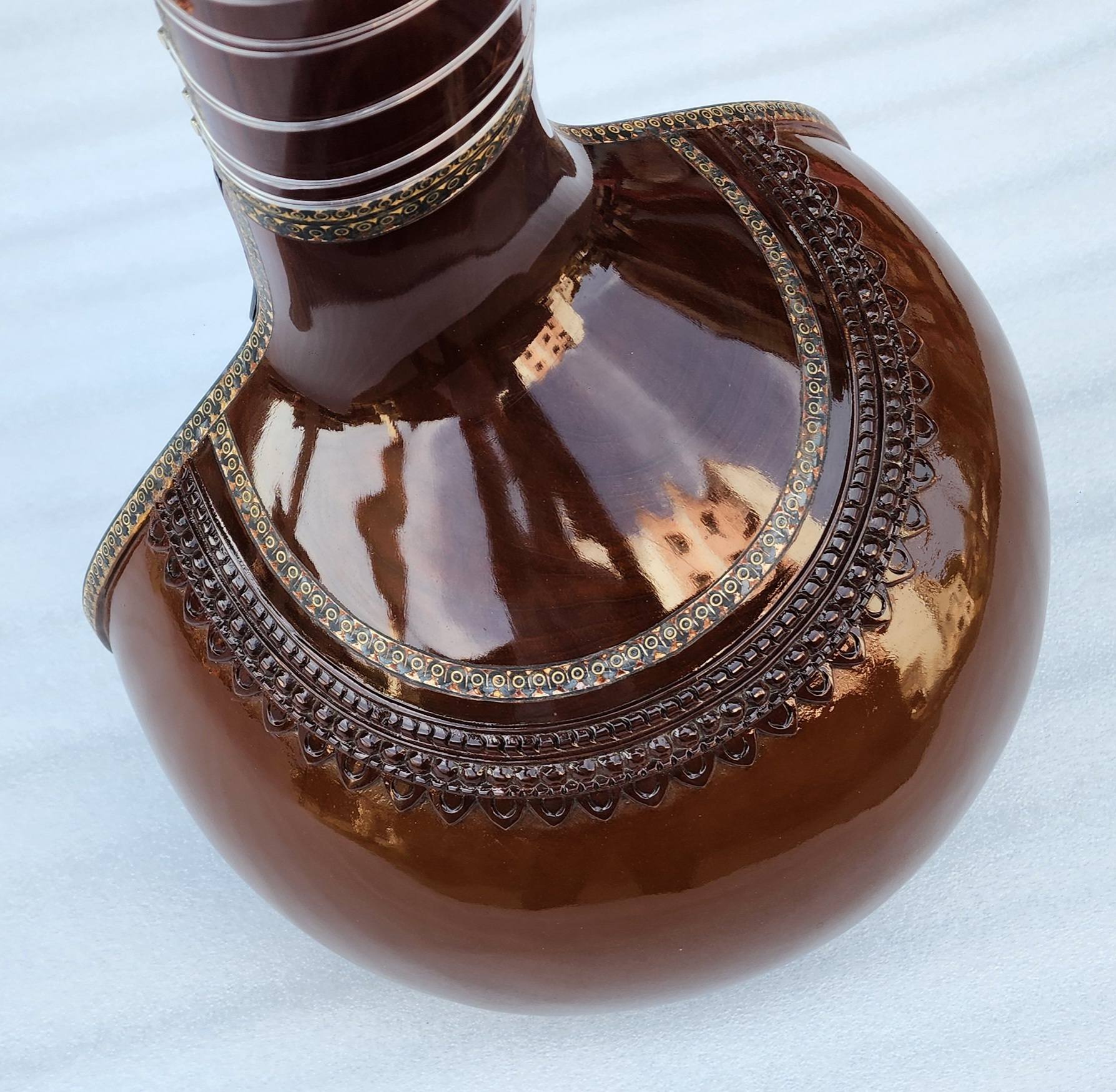
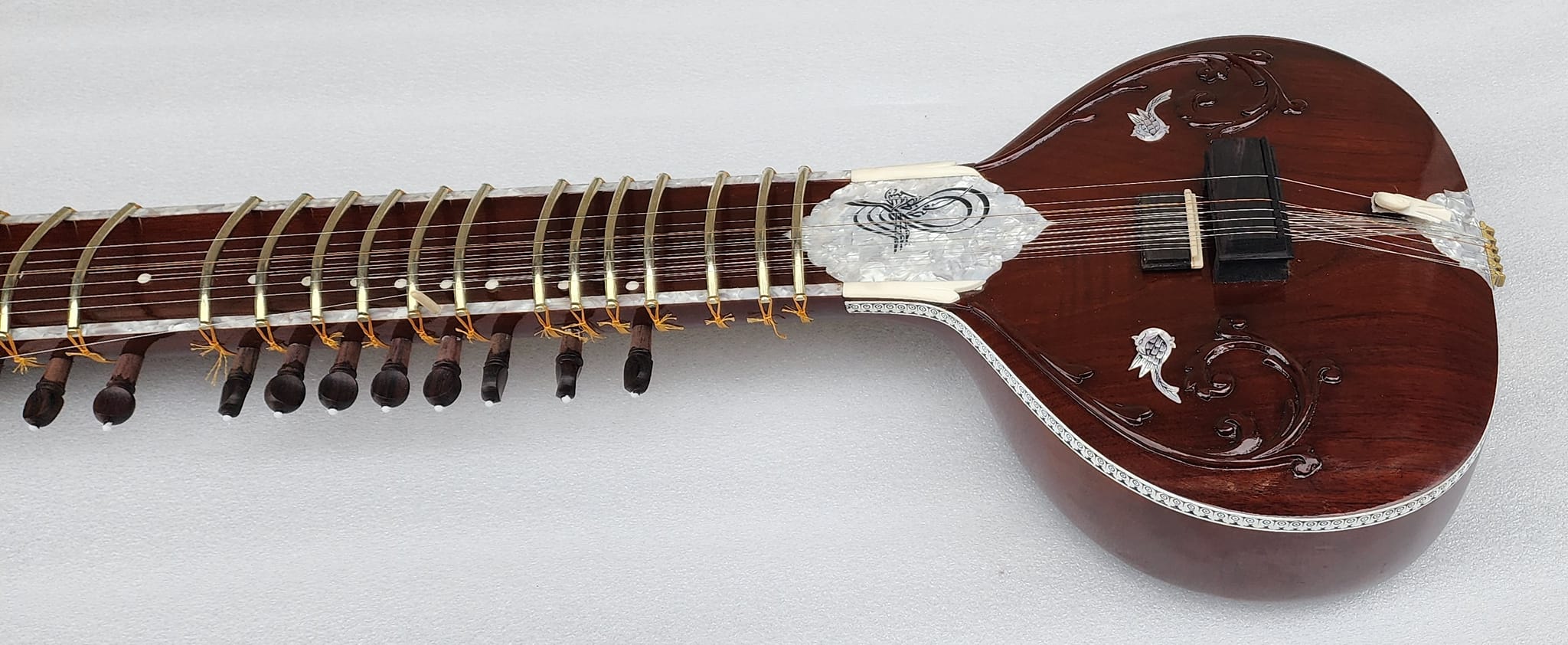
Miraj, a small city in Maharashtra's Sangli district, has been the undisputed capital of sitar making for over a century — a tradition of seven generations, the same workshops that built the instruments of Pandit Ravi Shankar and Ustad Vilayat Khan. Among its finest living craftsmen stands Shahid Ali, in practice since 1979, whose instruments are played by students and concert artists across three continents. He was featured by the Indian Classical Music Circle (ICMC) to explain the structural innovations Ustad Vilayat Khan brought to the modern sitar — a recognition that places him among Miraj's most respected voices on the instrument's design.
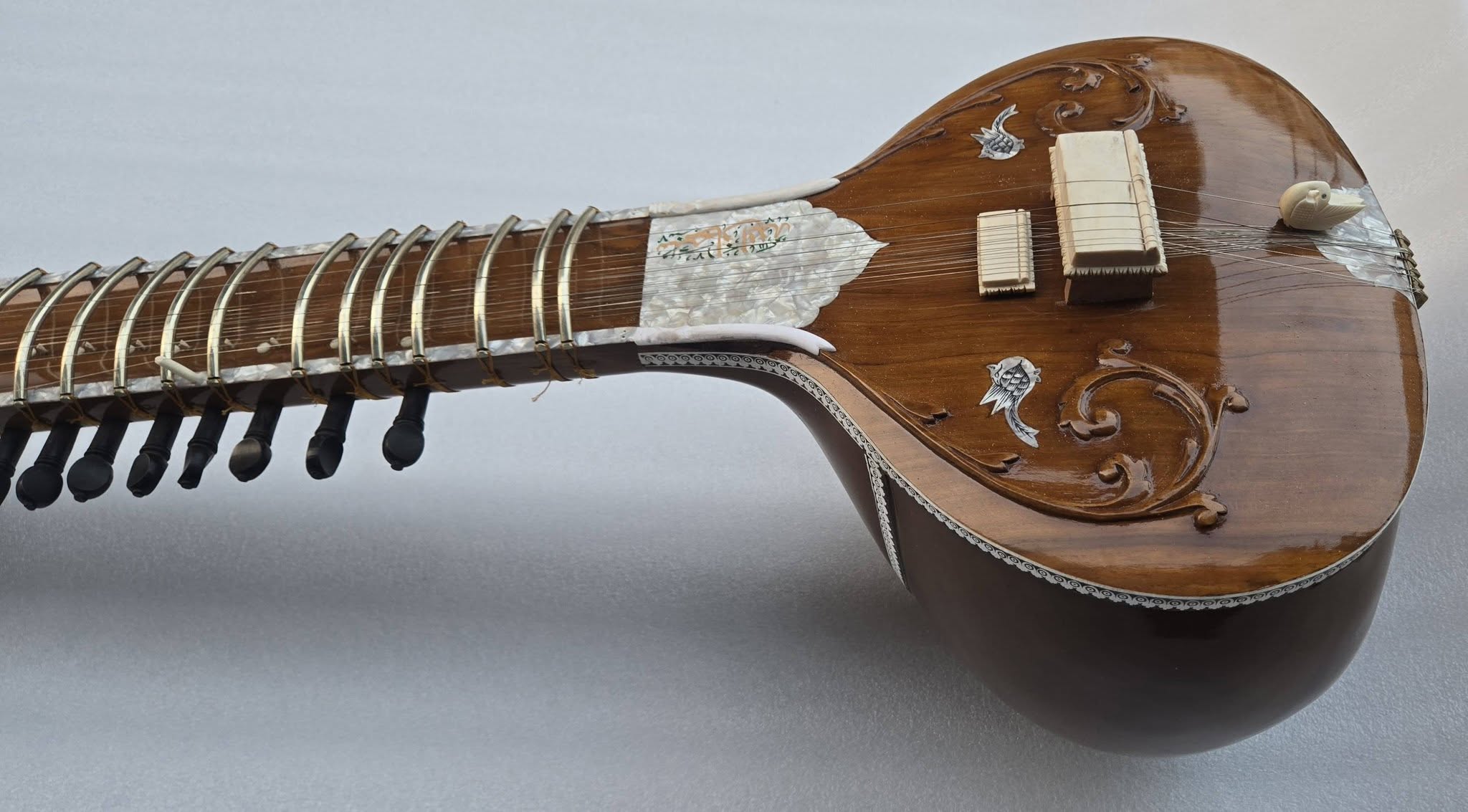
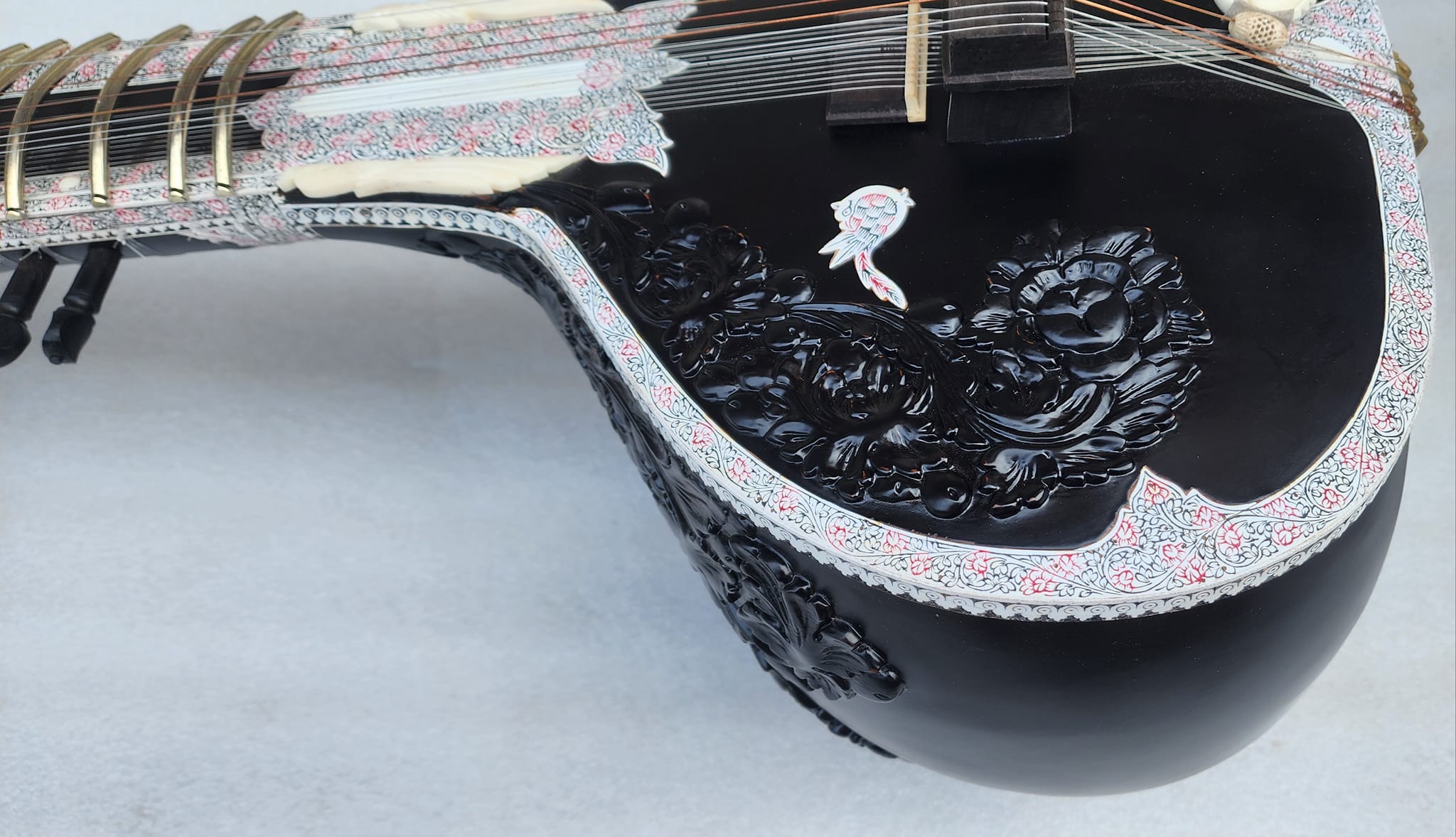
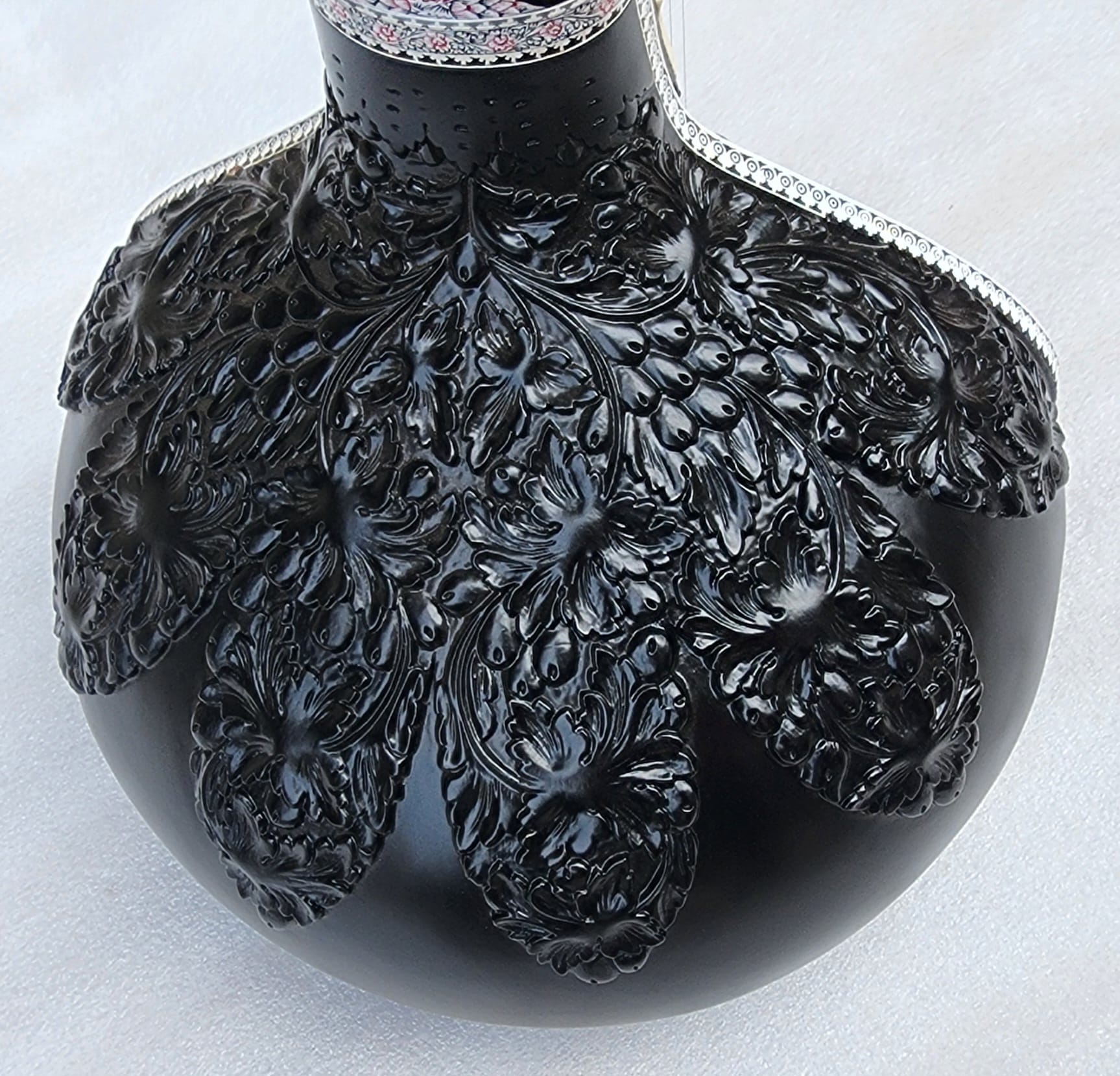
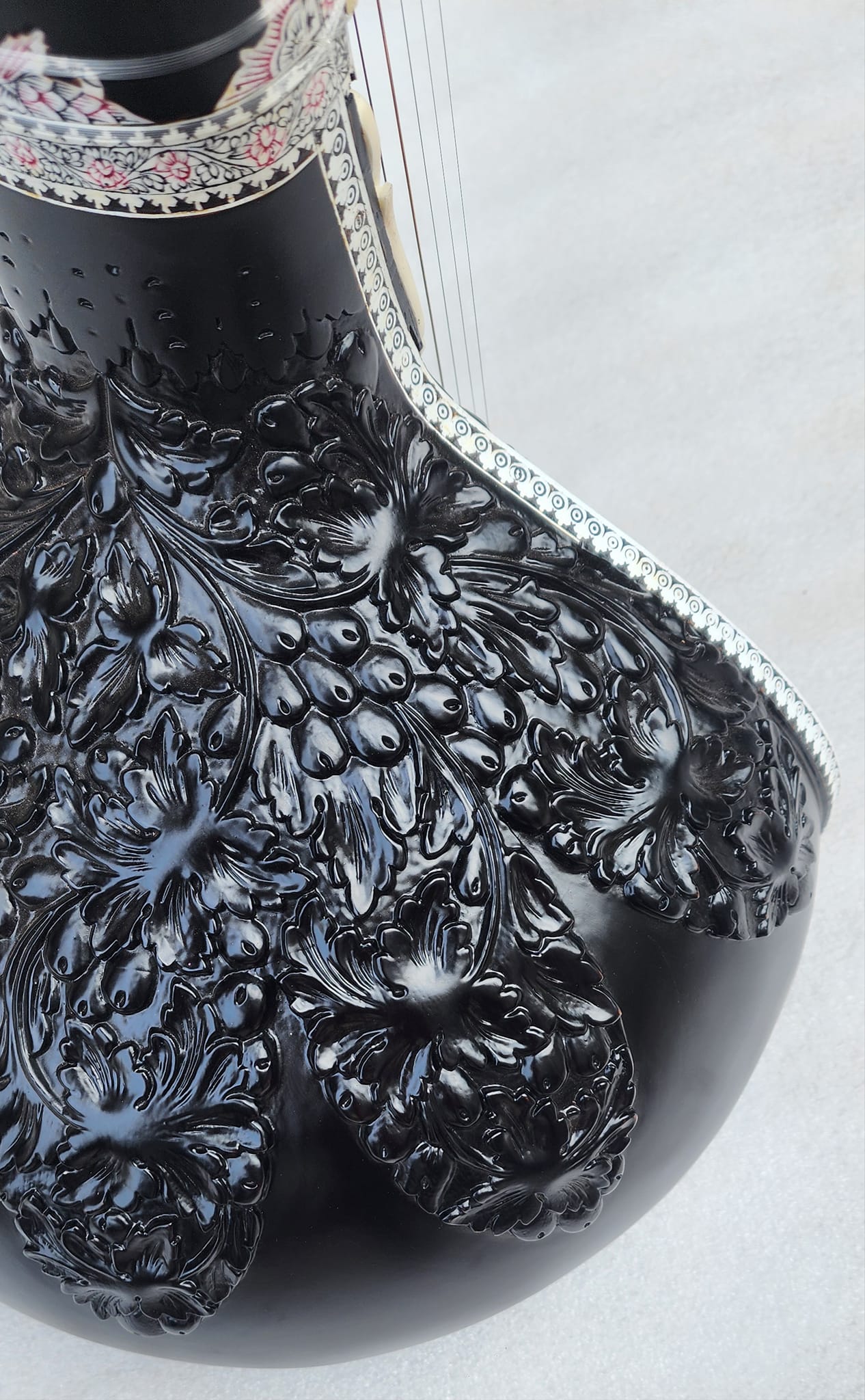
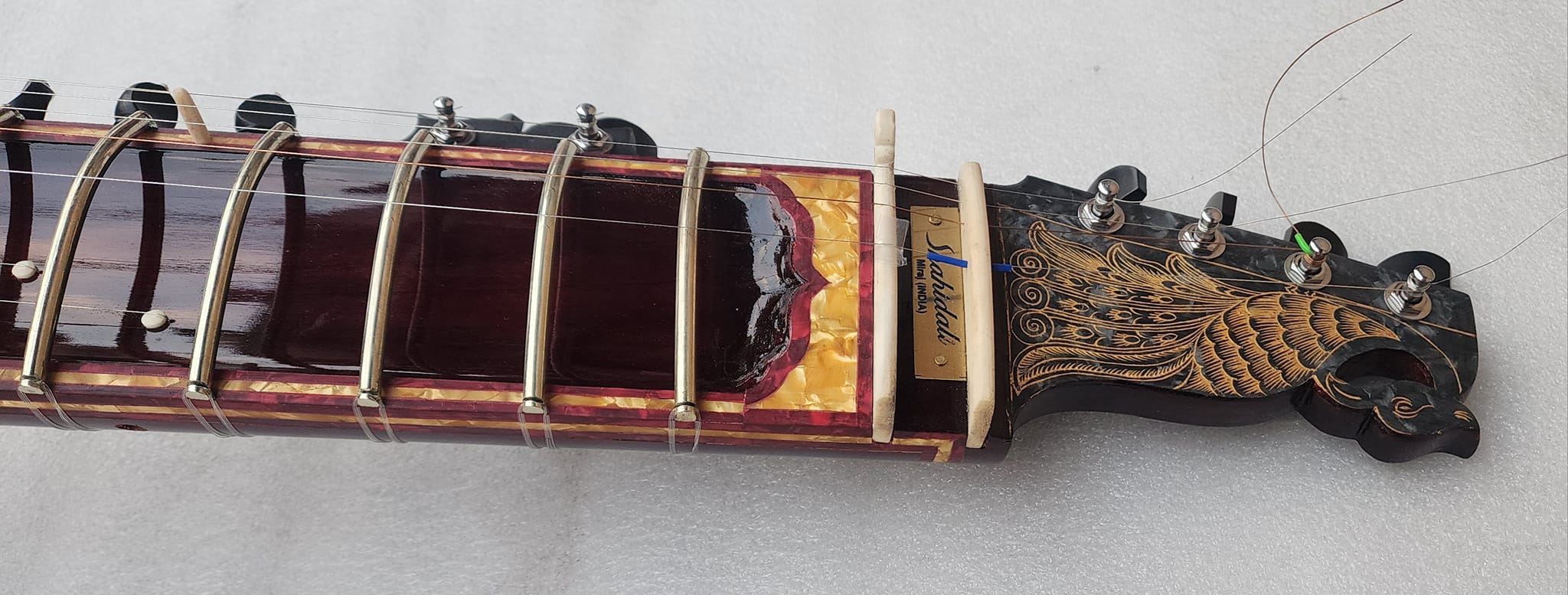
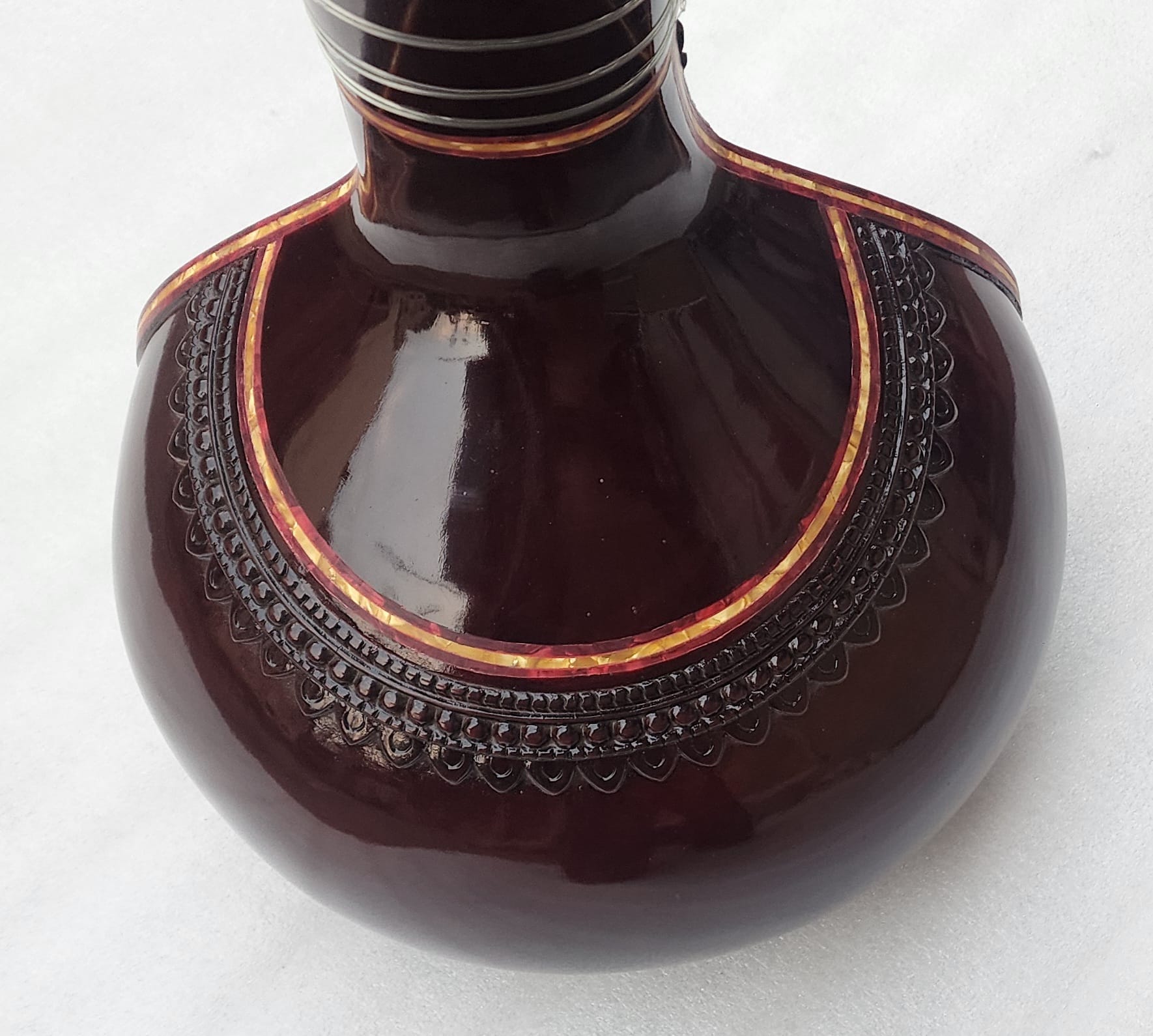
Shahid Ali's instruments are not mass-produced. Each sitar is built by hand, with tonewoods selected and seasoned over years, bridges carved from ebony or bone, and decorative work — the alam, the heel, the parchment inlay — executed with a jeweler's attention. Professional Sitar Players who have owned his sitars describe them consistently: "phenomenal sound and long sustain," "honest, reliable, takes time to consult the details with the musician's teacher." These are not instruments you outgrow. They are instruments that grow with you.
The classic Vilayat Khan configuration. Seven main strings, thirteen tarab. Deep, resonant, with a closed jawari that emphasizes the sustained note over the buzz. The choice of the classical purist — a voice that demands and rewards meditative listening.
The Ravi Shankar configuration. Optimized for a fuller bass response and broader dynamic range. Preferred by players who want both classical depth and projection for larger spaces — the instrument that carries across a concert hall.
Full-quality instruments in a reduced scale — ideal for travel, small spaces, or younger players. Uncompromising on tone despite the smaller body. Shahid Ali builds these with the same attention as concert instruments — nothing is sacrificed.
Shahid Ali builds instruments to specification. Smaller neck, lighter gauge strings, appropriate scale length for younger hands — also available left-handed for players who need it. Every student deserves an instrument built for them.
Every instrument built for a SitarBoston customer begins with a conversation. We discuss your playing style, the tonal character you are drawn to — open and buzzing, or focused and sustained. Your stage or studio context. Whether you want traditional ornamentation or a simpler aesthetic. We then work directly with Shahid Ali, who builds the instrument to these specifications. All instruments are professional grade or concert grade. There will be a 3–6 months wait time depending upon complexity. Sitars of this quality mature over the first 2–5 years of their life and then would be a lifelong companion.
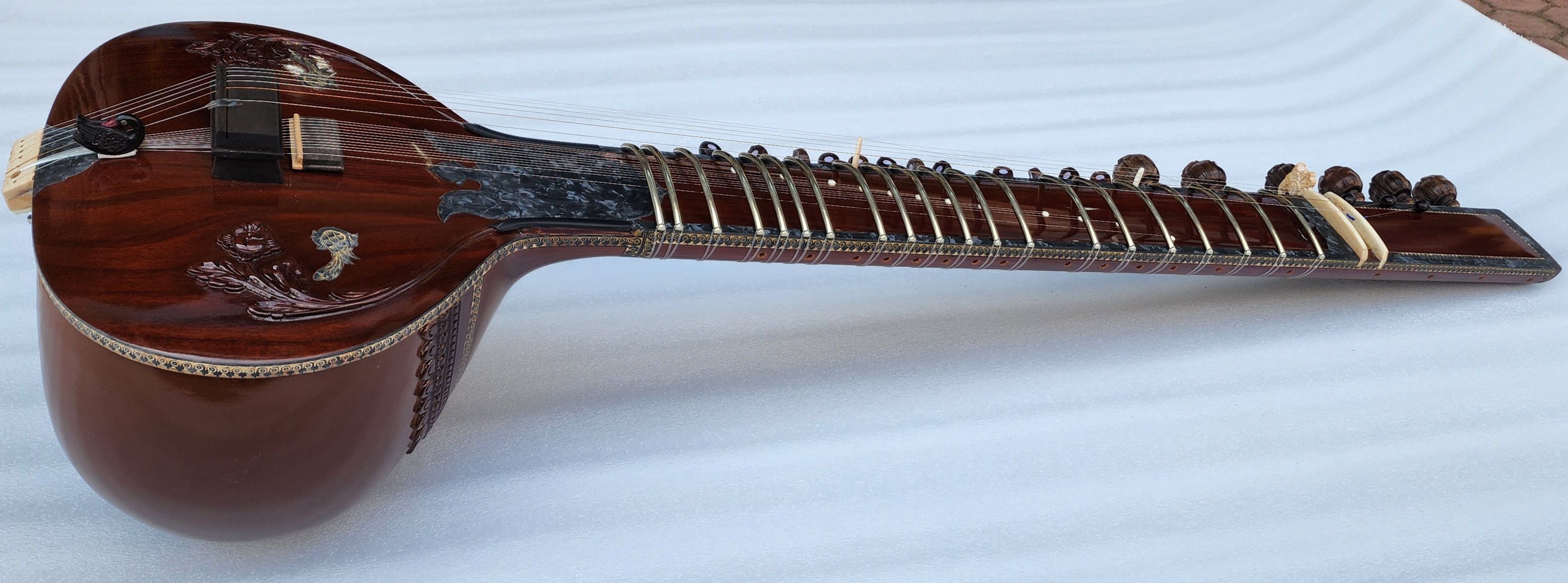
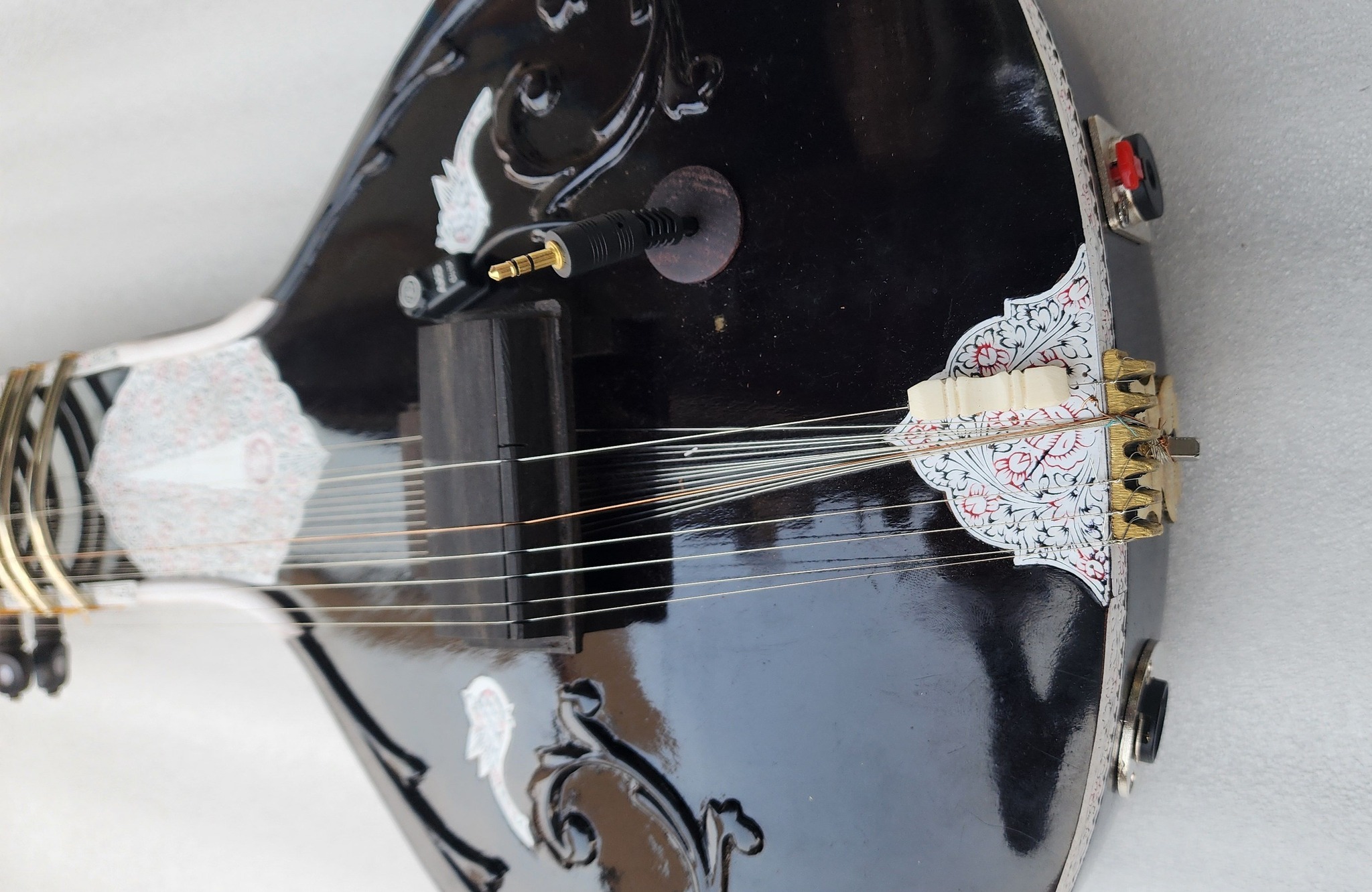
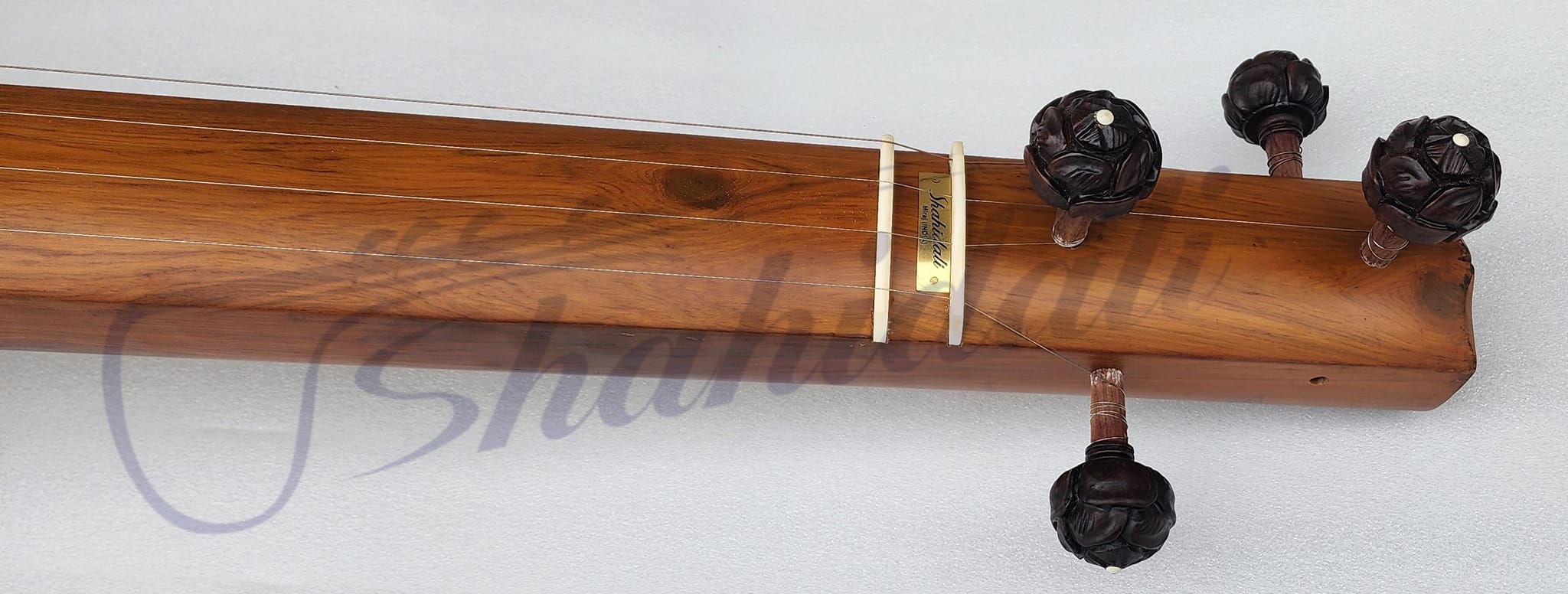
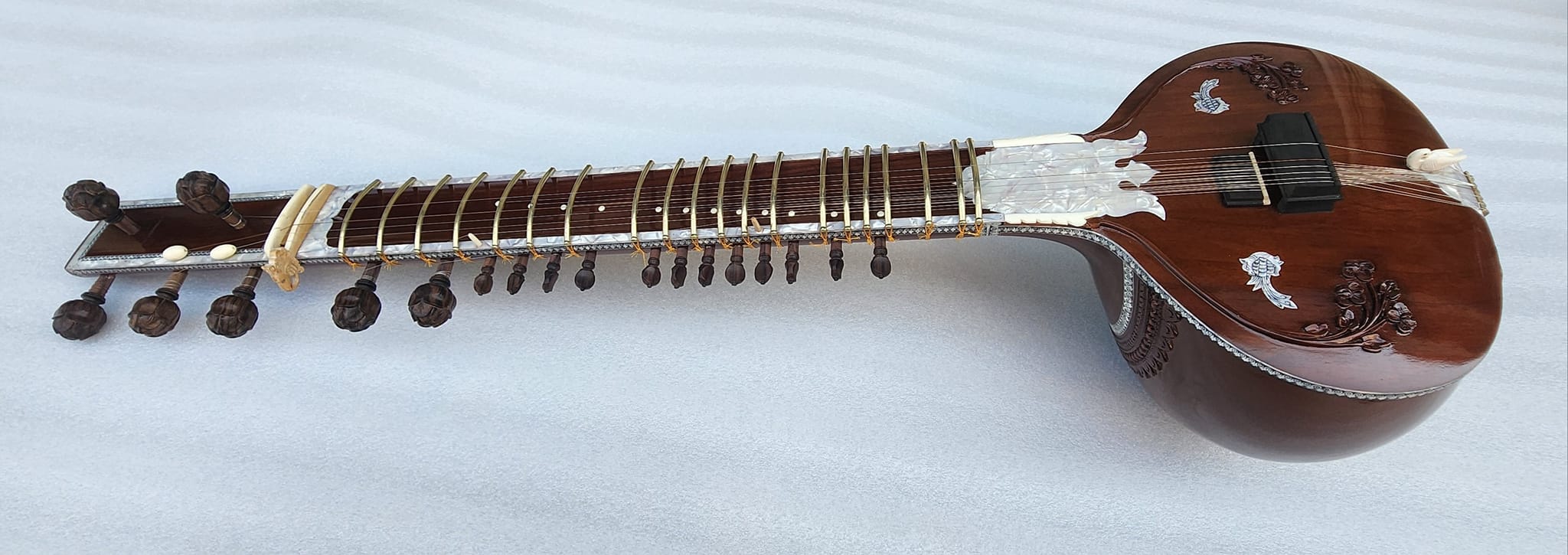
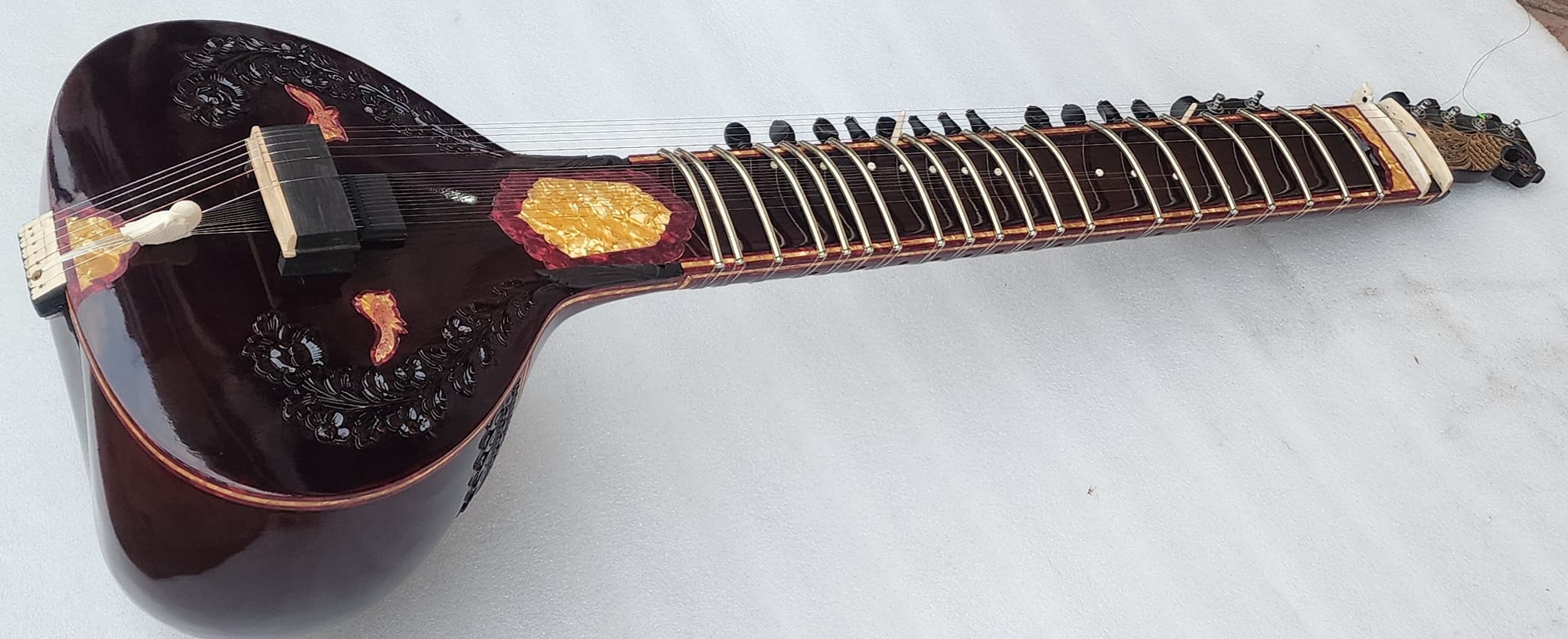
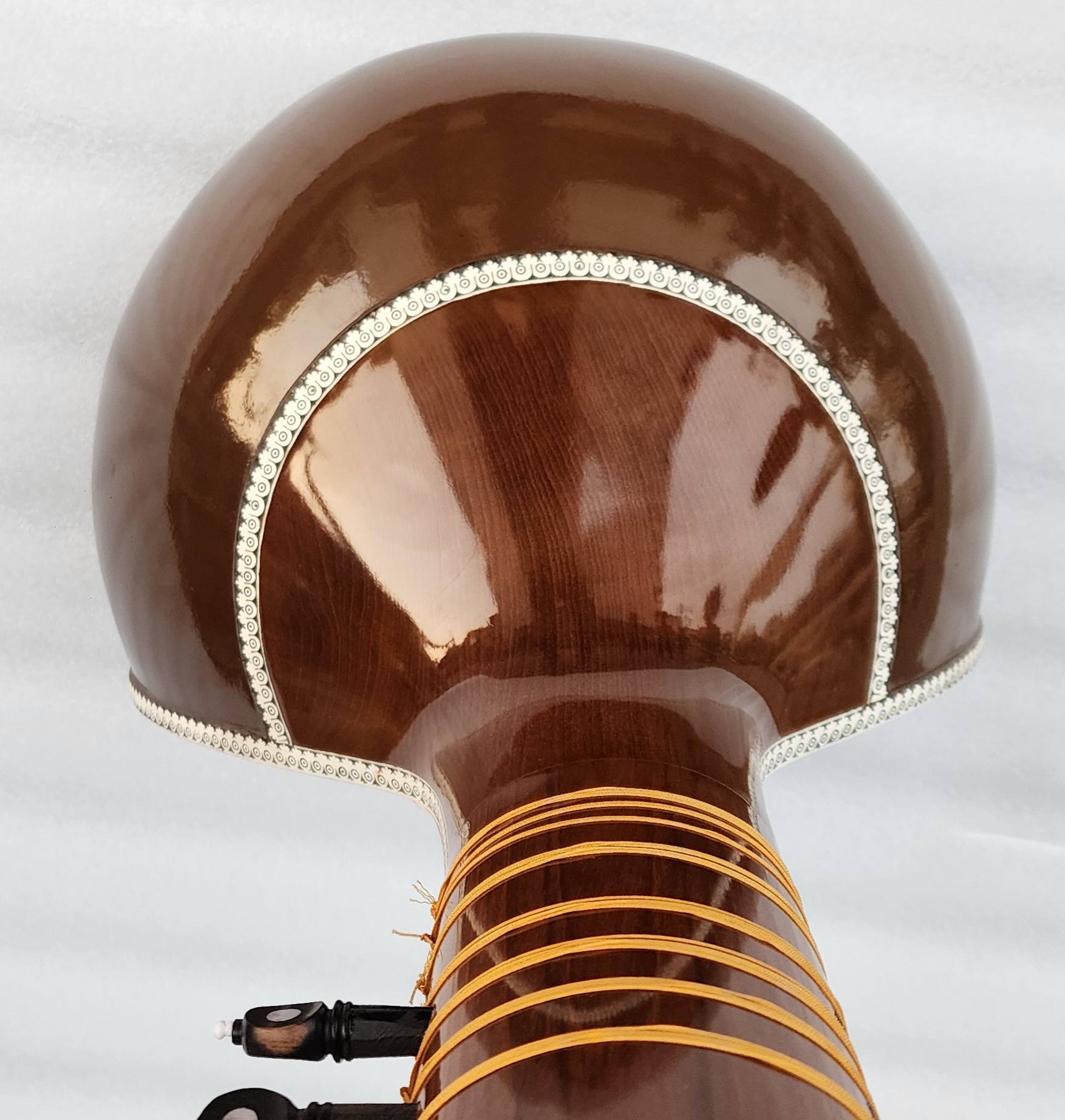
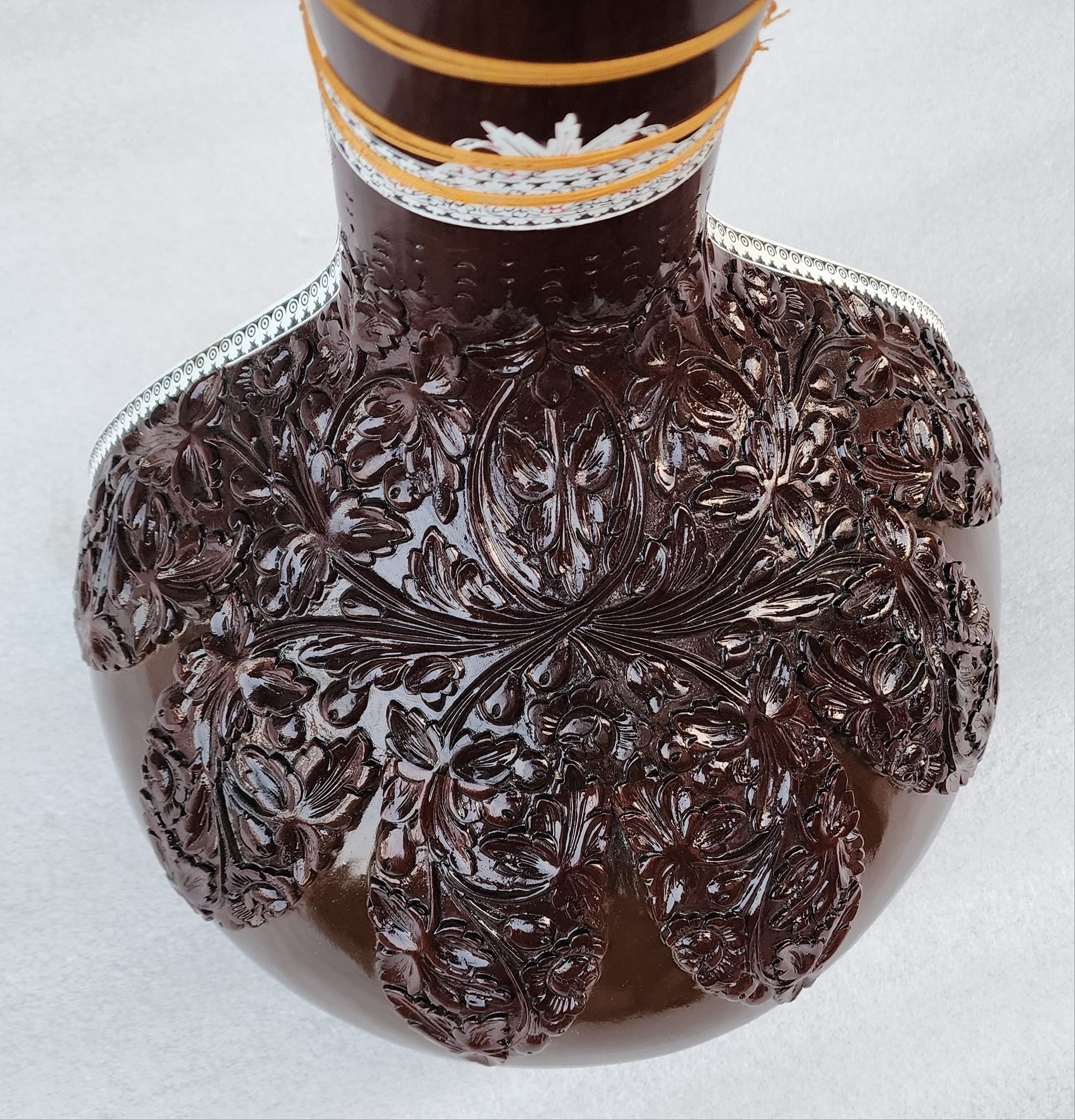
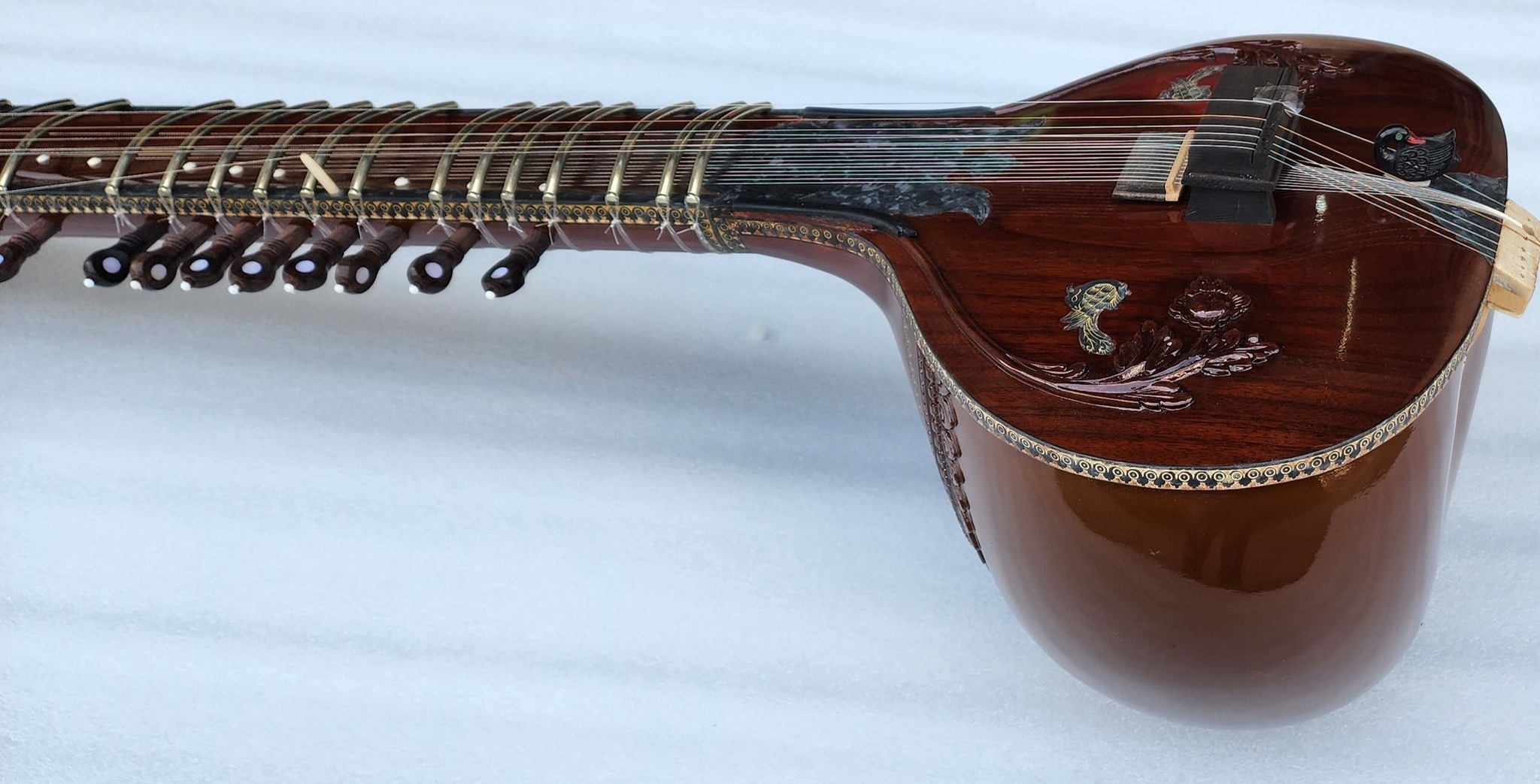
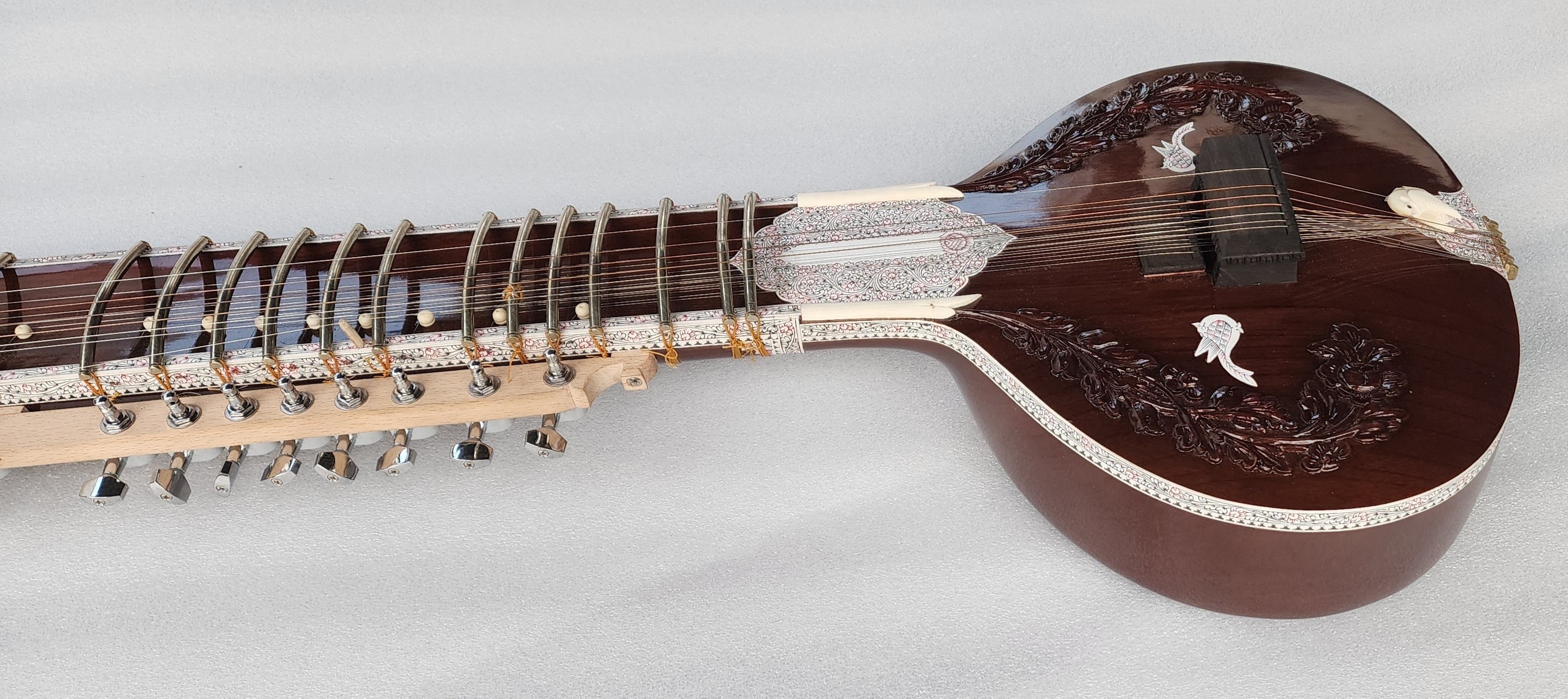
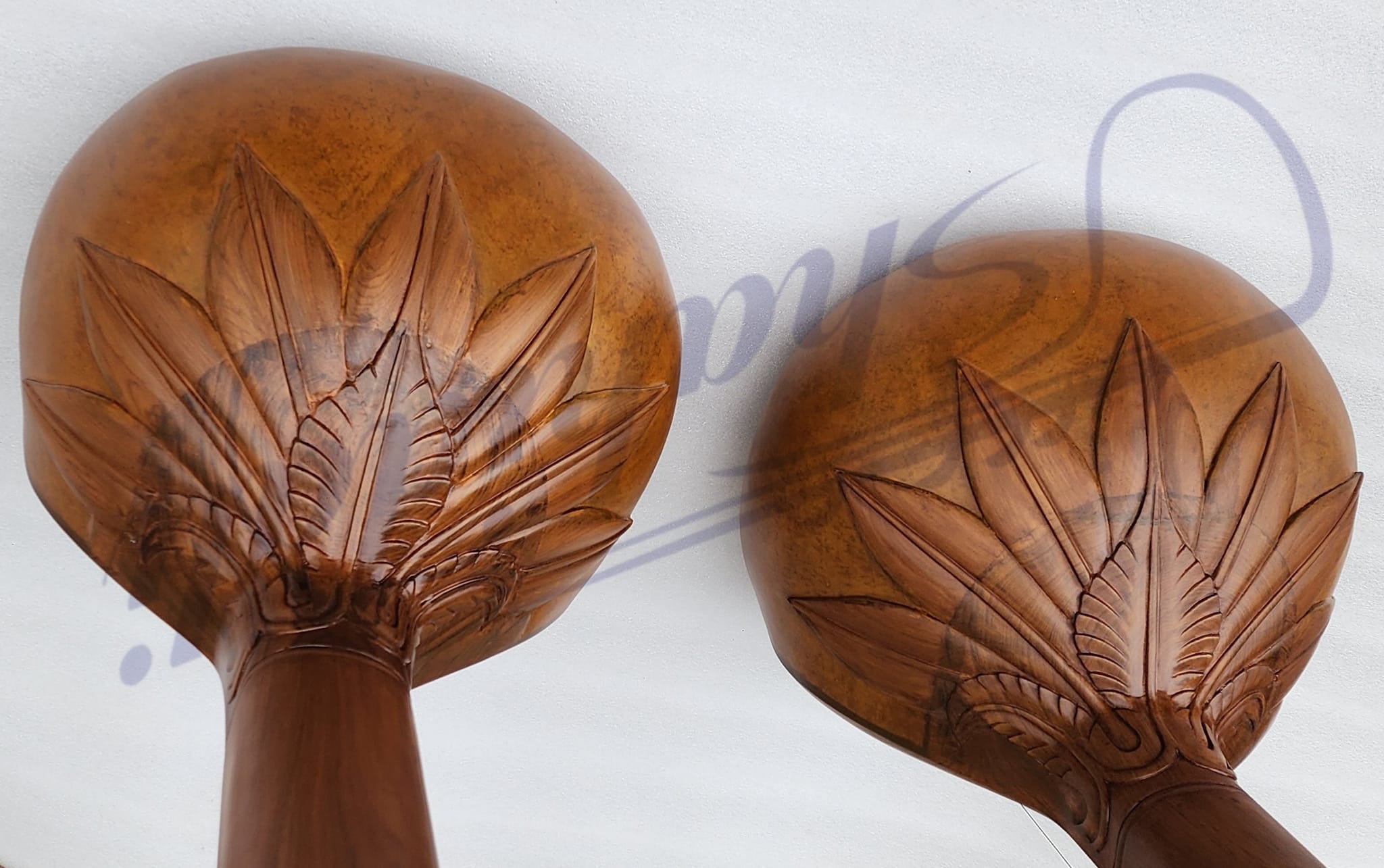
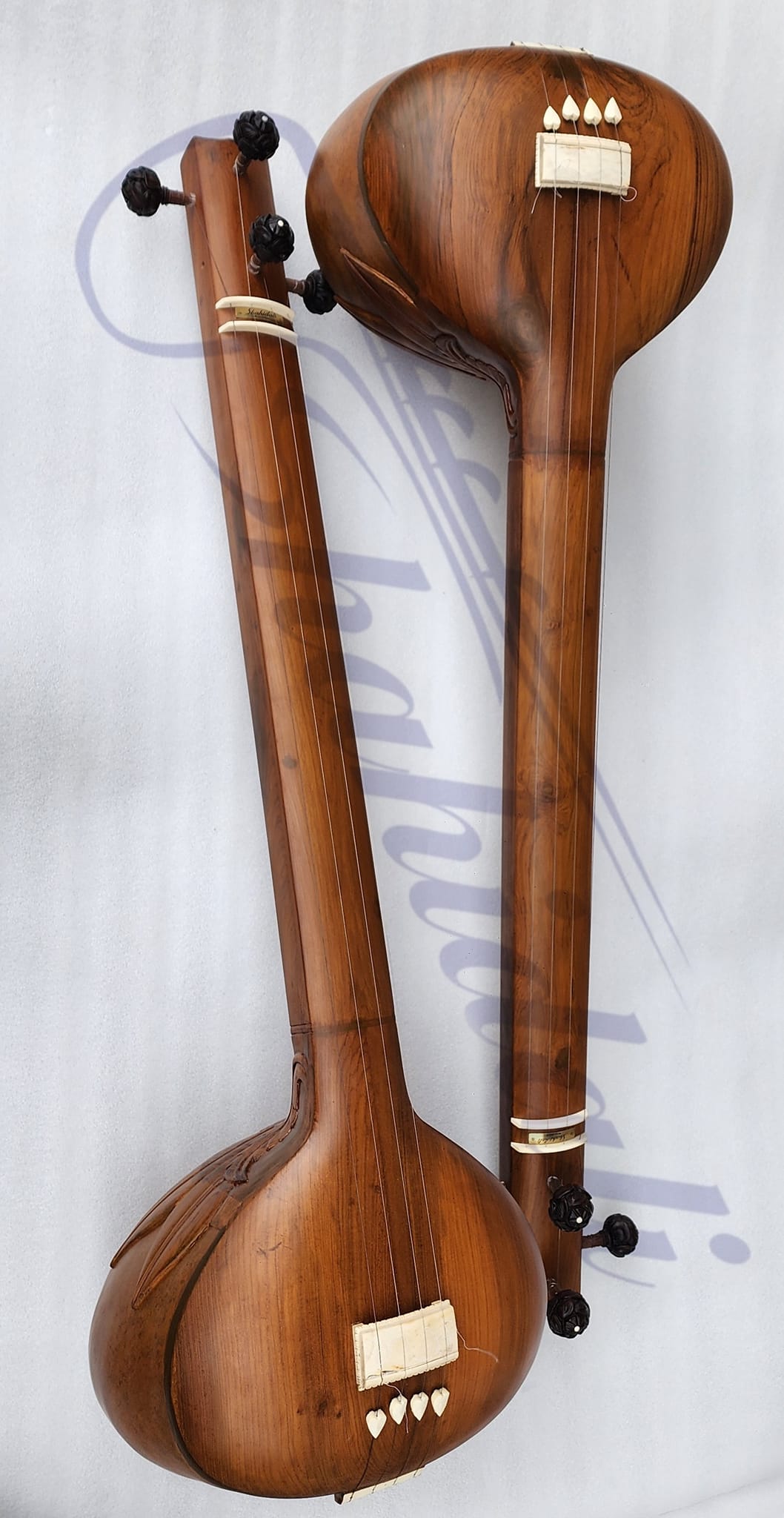
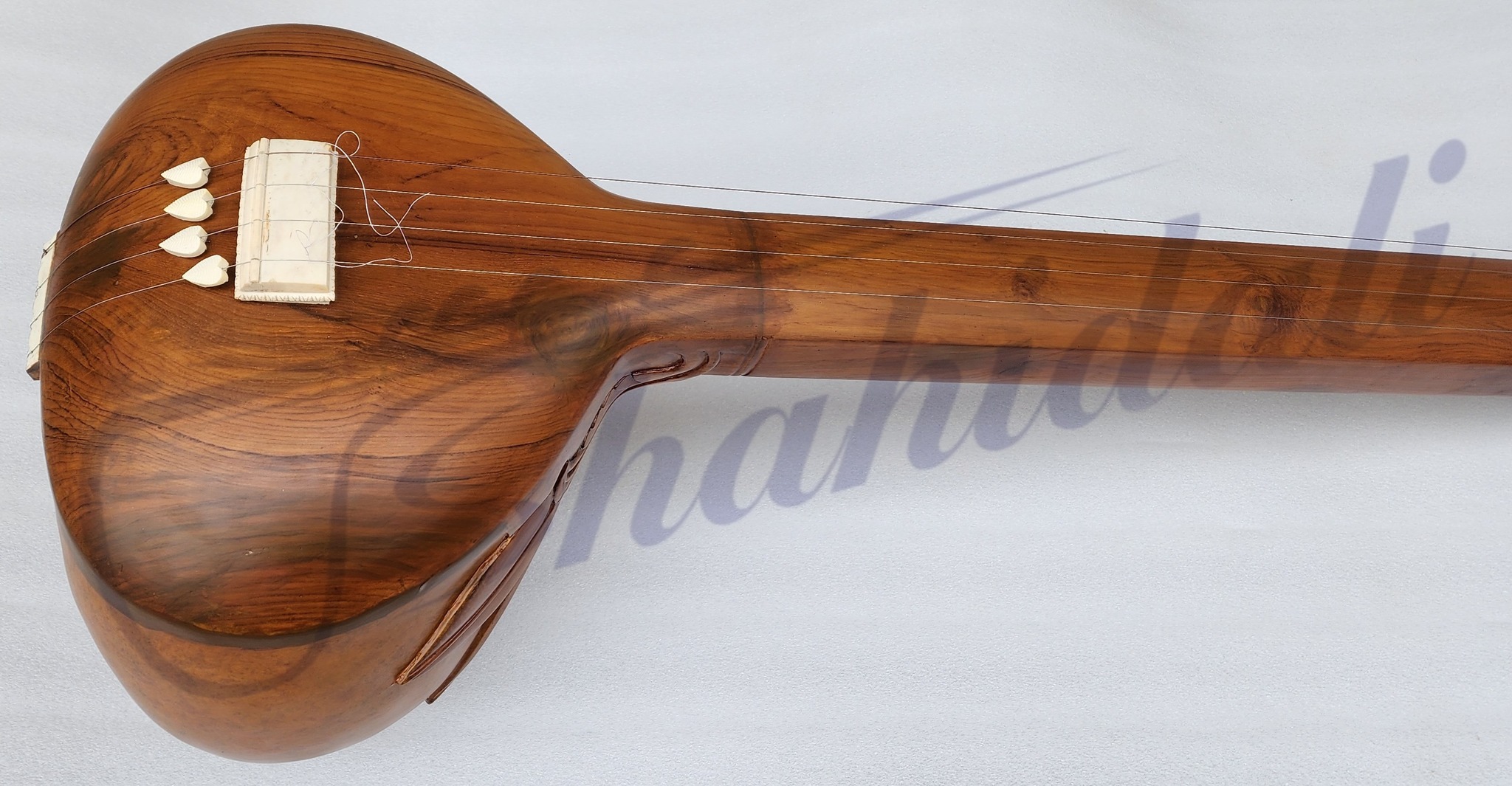
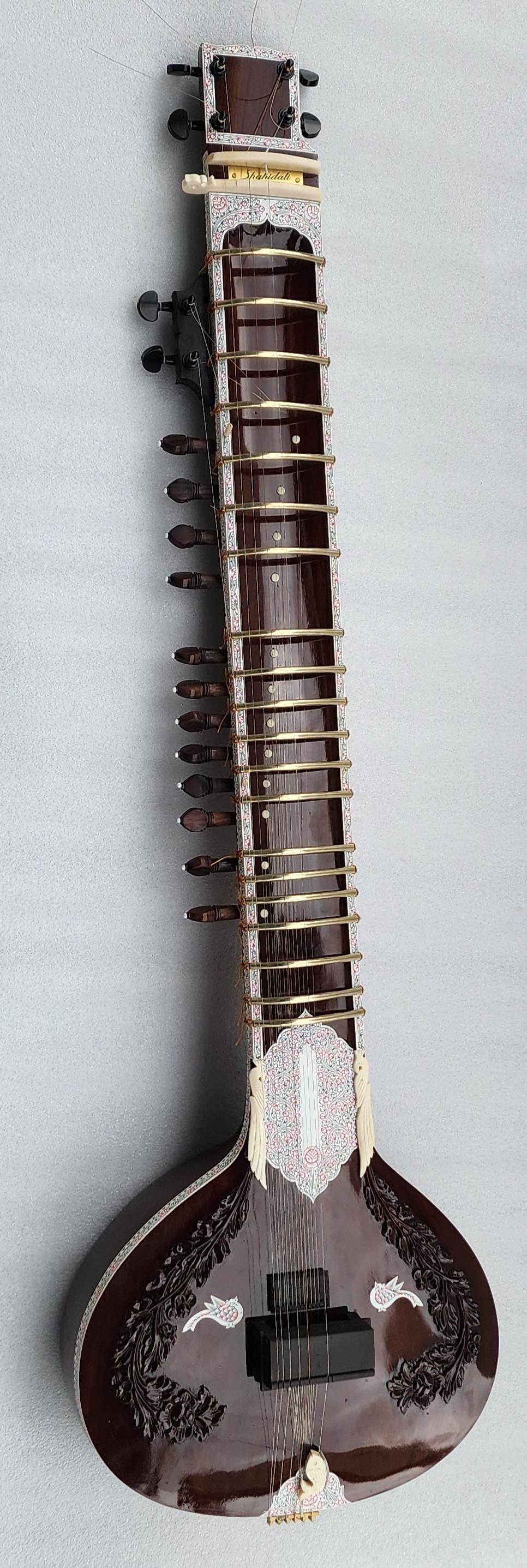
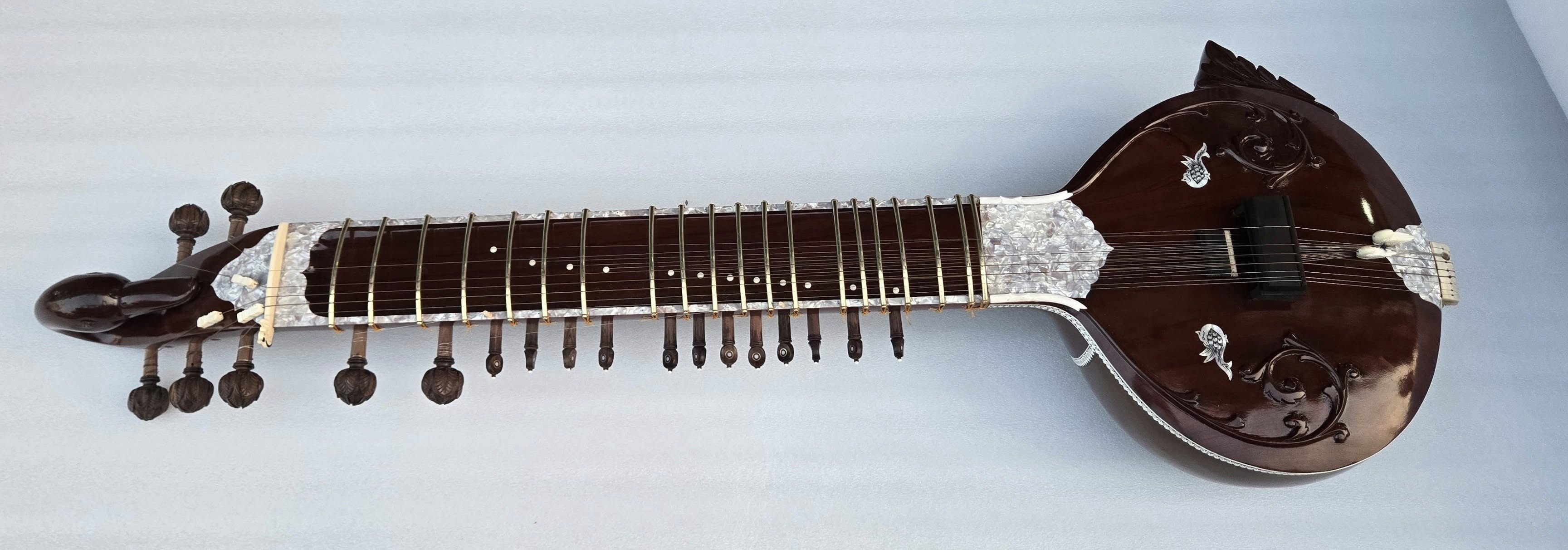
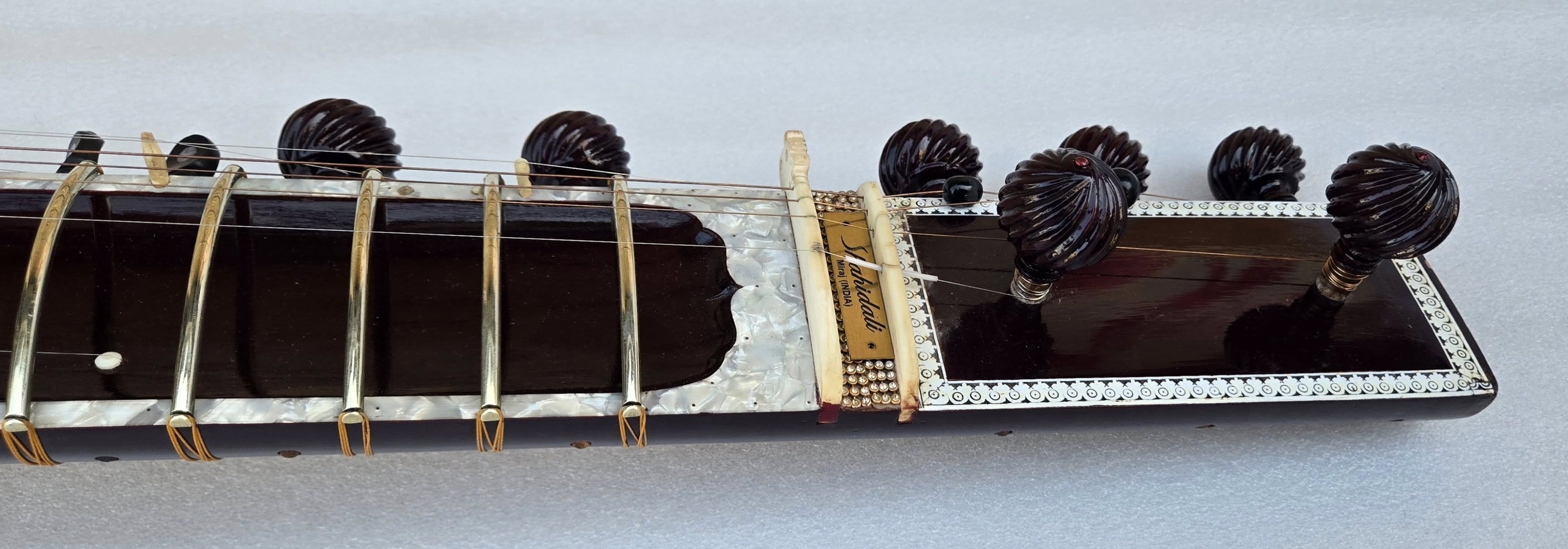
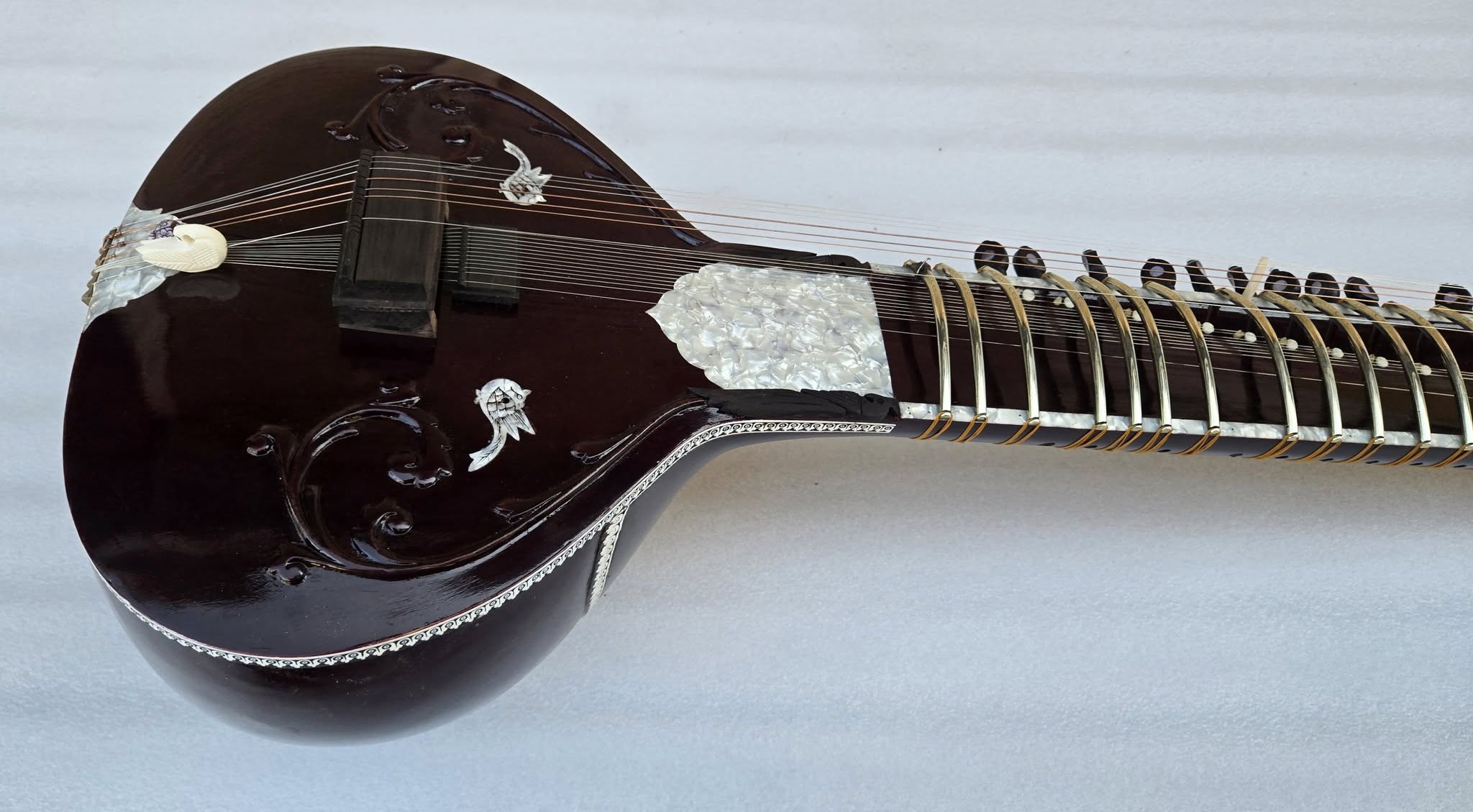
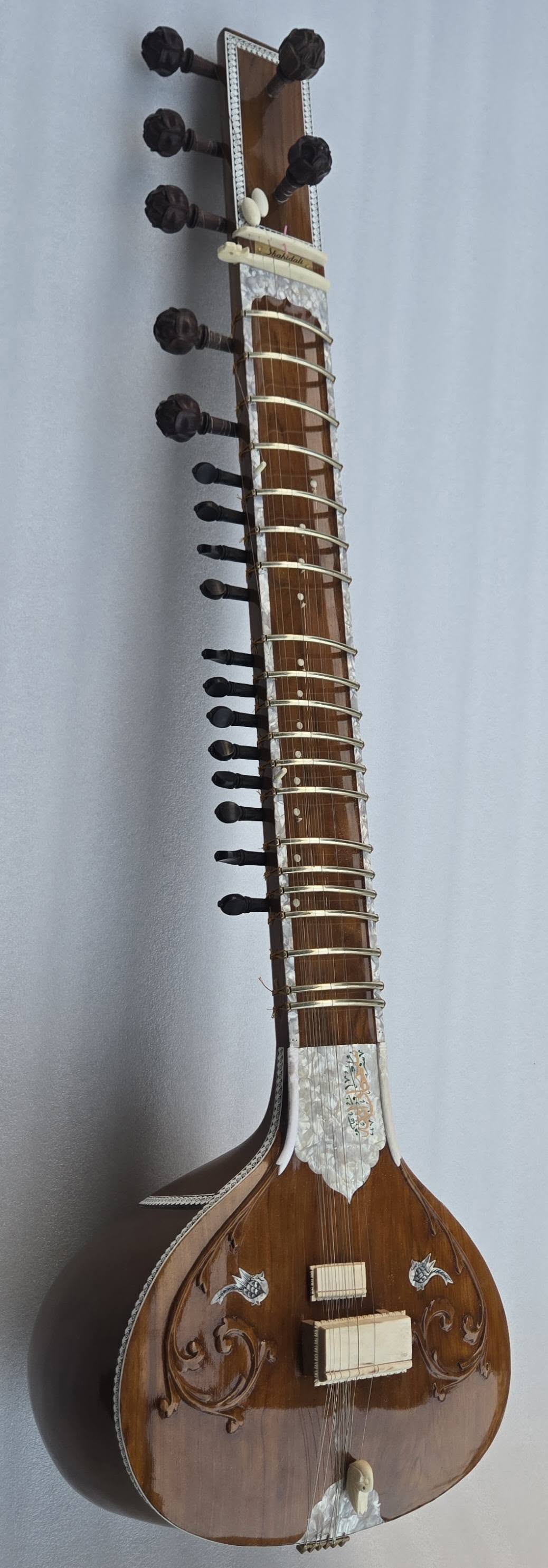
Teak Sitars — Among Shahid Ali's most celebrated instruments are those built from Burma teak — salvaged from 100-year-old structures, never to be harvested again. These instruments carry a tonal character impossible to replicate with modern materials: a warmth, a depth, a natural resonance that deepens with age. To own one is to hold something irreplaceable. Sustain and Meend (5 or 5.5 notes) in these sitars is unparalleled (see images and videos below).
click here for images
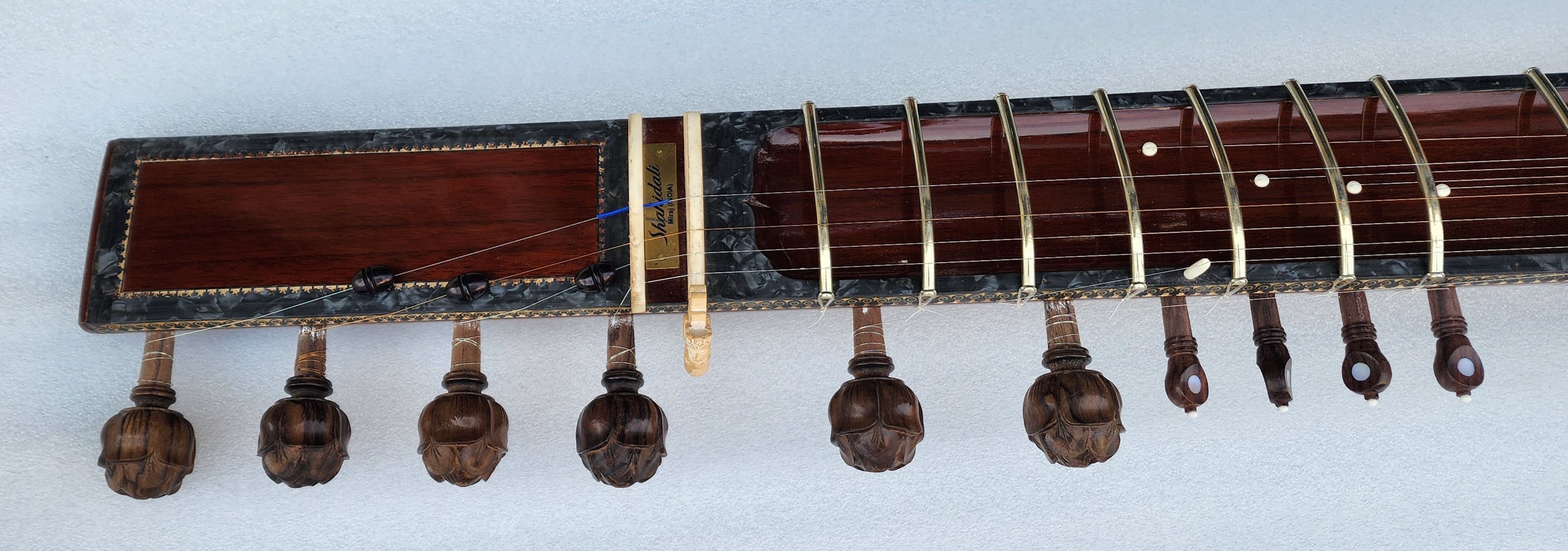
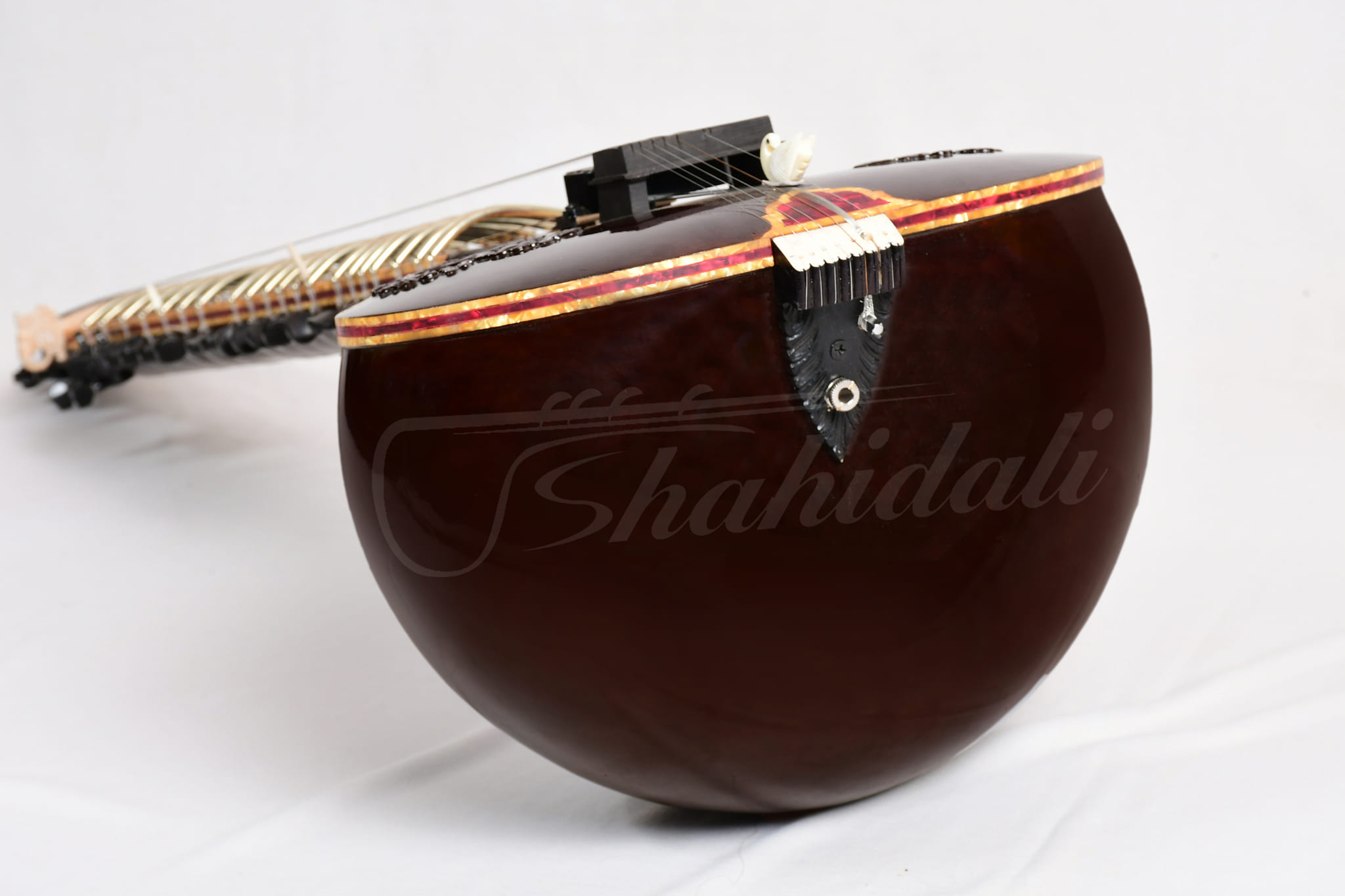
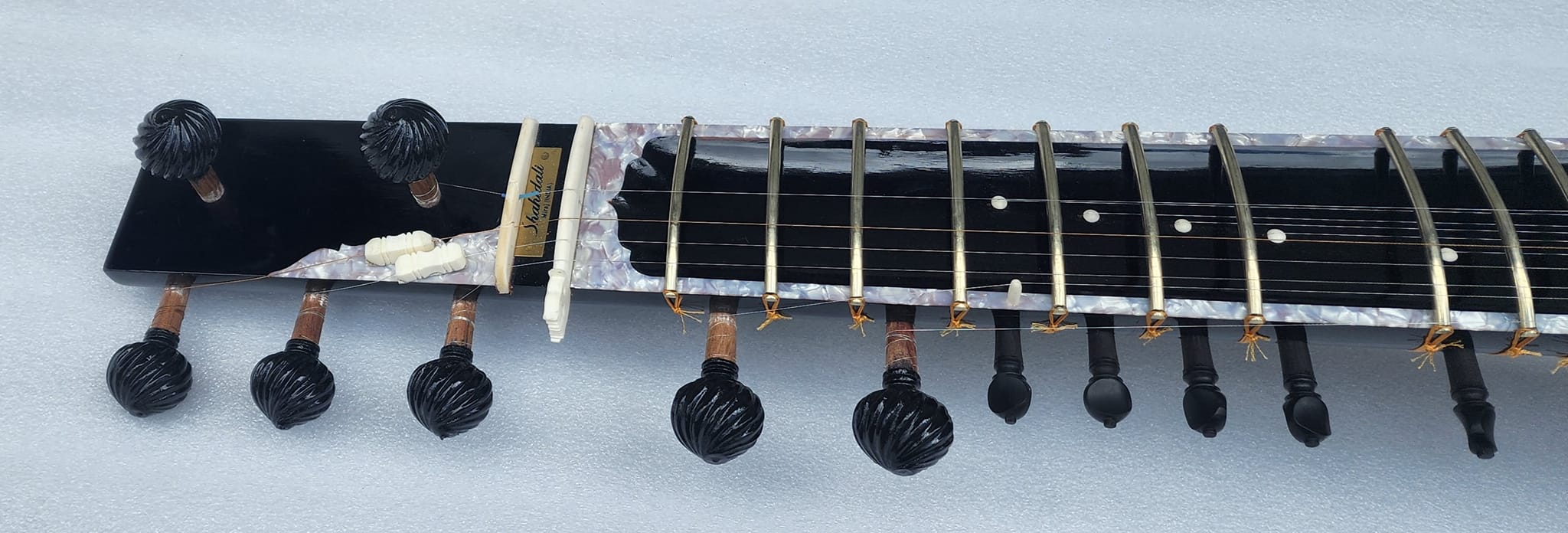
The Shahidali signature — a mark of Miraj's master craft
Shahidali Concert Teak Sitar
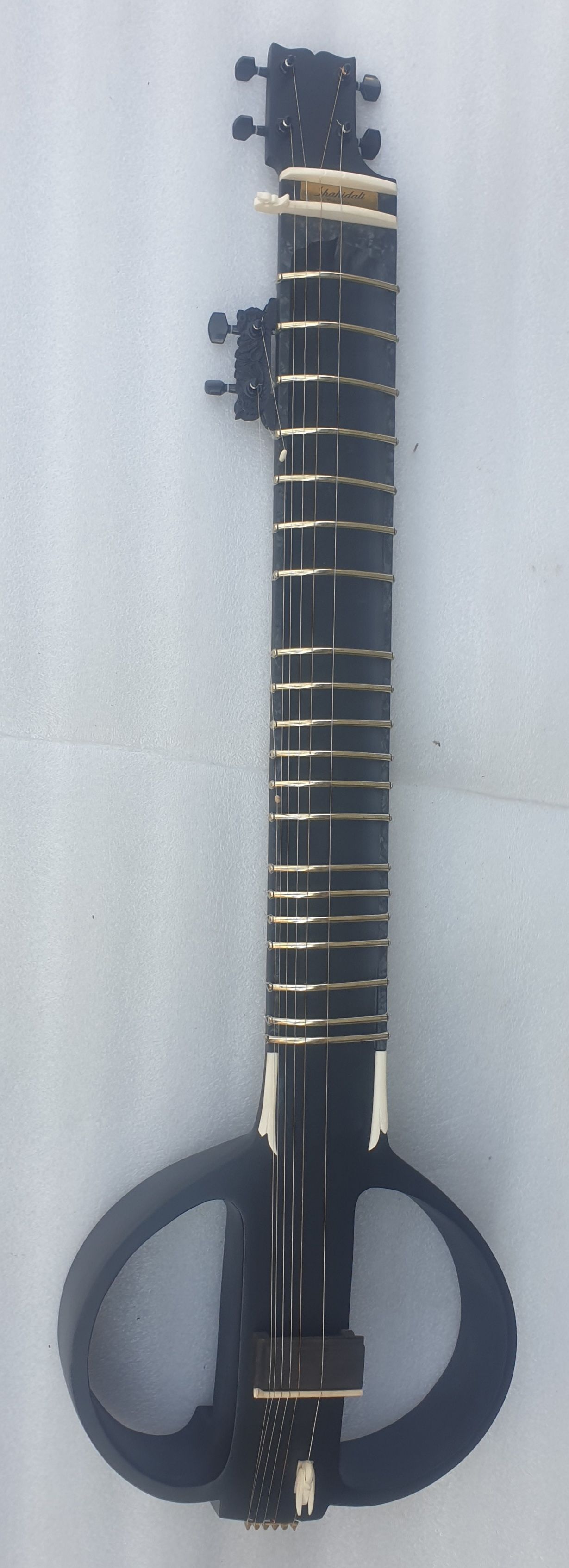
Shahidali SPK Sitar
Shahidali SPK Tunwood Sitar
Shahidali Concert Travel Sitar
Occasionally, rare vintage sitars — instruments from the great Kolkata makers of the mid-twentieth century — will be available after full restoration. These are singular opportunities, offered to the community first.
A 1970s Naskar Professional Sitar — Restored
70s Naskar Pro Sitar
click here for videos
Shahidali Concert Teak Sitar
70s Naskar Pro Sitar
Sitar Lesson
Shahidali SPK Sitar
Shahidali SPK Tunwood Sitar
Shahidali Concert Travel Sitar
click here for images
Loading news…
Whether you are a beginner considering your first lesson, an advanced student with a maintenance question, or someone who simply wants to be part of the sitar community in New England — please reach out. There is no question too small and no situation too complicated.